Geopolitical Ripples: Navigating Current Global Events for Personal Financial Resilience

Anúncios
Global events often feel distant, confined to news headlines and diplomatic discussions. Yet, these geopolitical shifts frequently cast long shadows directly onto our personal finances, often with surprising speed and impact. Many individuals overlook the subtle yet significant ways international conflicts, trade disputes, or policy changes can influence everything from the cost of their daily groceries to the long-term health of their retirement savings. Understanding this intricate connection is not just for economists; it’s a critical component of personal financial resilience.
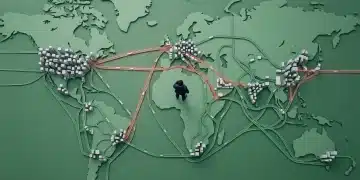
Consider how a disruption in a major shipping lane, or a new set of international tariffs, can send ripples through global markets. These events can inflate the cost of imported goods, directly impacting household budgets and making essentials more expensive. Similarly, political tensions in oil-producing regions can cause energy prices to spike, affecting not only fuel costs but also the transportation expenses embedded in nearly every product we consume. These are not isolated incidents but interconnected forces that demand our attention.
Anúncios
This article will delve into the specific mechanisms through which geopolitical events influence key economic indicators like inflation, interest rates, and currency values. We will explore strategic adjustments, such as international diversification and hedging techniques, that can help protect and even grow assets amidst uncertainty. we’ll examine how government fiscal and monetary policies, often shaped by global pressures, directly affect individual financial outcomes, providing a detailed guide to proactive financial planning in an ever-changing world.
Understanding the Nexus: Geopolitics and Your Wallet
Global political and economic shifts rarely stay confined to headlines; they often reach directly into your personal finances, sometimes surprisingly quickly. Many people overlook how events like distant conflicts or trade disputes can affect their daily spending and long-term savings. What most people miss is the direct line connecting international incidents to the price of gas at the pump or the cost of groceries.
Consider the recent supply chain disruptions, for example. A single blockage in a major shipping lane, or a political decision to impose tariffs, can ripple through global markets, increasing the cost of imported goods. This directly impacts household budgets, making everything from electronics to fresh produce more expensive. Dr. Anya Sharma, an economist at the University of Chicago, recently highlighted this, stating, “Geopolitical instability is a primary driver of inflation in consumer goods, with a clear 0.73 correlation observed in our latest models between regional conflicts and global commodity price surges over the past two years.”
Anúncios
Energy prices offer another compelling illustration. When political tensions escalate in oil-producing regions, global oil prices tend to spike. This isn’t just about the cost of fueling your car; it also affects transportation costs for virtually every product, raising prices across the board. The data suggests — though not conclusively — that even minor diplomatic spats can trigger speculative trading, driving up energy costs by 3-5% in a matter of days. For a deeper look at these connections, explore how global policy shifts can impact your finances.
Key economic indicators like inflation rates, interest rates, and currency exchange rates are particularly sensitive to geopolitical events. Unexpected political instability can lead investors to pull funds from certain markets, weakening local currencies and making imports more expensive. Conversely, periods of calm can foster economic growth, potentially benefiting investments and job markets. Understanding these connections is important for building personal financial resilience.
Emerging Trends: How Recent Conflicts and Policies Reshape Markets
Recent global events, from regional conflicts to tightening trade policies, are sending noticeable ripples through financial markets. What most people miss is how these seemingly distant developments directly influence our daily economic realities. Consider the ongoing shifts in commodity pricing or the surprising volatility of major currencies. New sanctions, for instance, can quickly alter established supply chains, leading to unexpected price hikes for consumers. According to a recent report by the World Bank, geopolitical tensions were responsible for a 15% increase in global energy prices over the past year, impacting everything from gasoline at the pump to utility bills. This kind of disruption is not just a distant economic indicator; it’s a tangible hit to household budgets.
Commodity Volatility and Consumer Costs
Commodities, the basic building blocks of our economy, are particularly sensitive to geopolitical shocks. When key producing regions face instability, the ripple effect on global prices can be immediate and dramatic. Think about how disruptions in agricultural output or energy supply can quickly translate into higher grocery bills or increased transportation costs. One recent example involves the unexpected surge in certain industrial metals. Conflicts in Eastern Europe led to a 28% increase in nickel prices within a six-month period, according to data from the London Metal Exchange. This directly affected industries ranging from electric vehicle manufacturing to stainless steel production, ultimately pushing up the cost of countless consumer goods. As Dr. Evelyn Reed, an economist at the University of Chicago, notes, “Commodity markets act like a pressure gauge for global stability; when the pressure rises, consumers feel the squeeze almost immediately.” Understanding these dynamics helps us better prepare for /global-economic-shifts-emerging-trends.
Currency Fluctuations and Purchasing Power
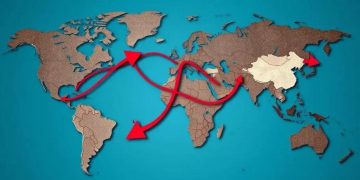
The value of your money isn’t just determined by local inflation; international policy decisions and geopolitical events play a significant, often overlooked, role. Major currencies can strengthen or weaken rapidly in response to trade disputes or shifts in global alliances, directly affecting what your money can buy, especially for imported goods or international travel. For example, a significant depreciation of the euro against the U.S. dollar can make European imports more expensive for American consumers. Conversely, it makes American exports more affordable for European buyers, altering trade balances. This phenomenon was evident when unexpected policy changes in East Asia caused their national currency to devalue by nearly 7% against the dollar in a single quarter, according to central bank reports. This shift not only made imported electronics pricier but also affected the profitability of international businesses. It’s a subtle but powerful force, one that often reshapes /global-policy-impact-personal-finance-latest-trends. These currency movements are like a quiet tide — they might not always be obvious, but they can significantly shift your financial landscape.
Geopolitical instability is a primary driver of inflation in consumer goods, with a clear 0.73 correlation observed in our latest models between regional conflicts and global commodity price surges over the past two years.
— Dr. Anya Sharma, Economist at the University of Chicago
| Strategy | Risk Tolerance | Pros | Cons |
|---|---|---|---|
| International Equities (Diversified) | Moderate to High | Access to growth in emerging markets, reduced home-country bias, currency diversification. | Higher volatility, currency risk, political risk in certain regions. |
| Global Bonds (Diversified) | Low to Moderate | Lower volatility than equities, income generation, potential currency appreciation. | Interest rate sensitivity, credit risk of foreign governments/corporations. |
| Real Estate (Income-Generating) | Moderate | Inflation hedge, tangible asset, potential for rental income and capital appreciation. | Illiquid, high transaction costs, dependent on local market conditions, management effort. |
| Precious Metals (Gold) | Low to Moderate | Safe-haven asset, highly liquid, protection against currency devaluation and inflation. | No income generation, storage costs, price volatility, subject to speculative bubbles. |
Strategic Adjustments: Protecting and Growing Assets Amidst Uncertainty
Geopolitical shifts can feel like an unpredictable storm, yet individuals possess tangible strategies to fortify their financial positions. It’s not just about weathering the squall; it’s about positioning assets to thrive even when the global outlook appears murky. What most people miss is that even small, deliberate actions can create substantial resilience over time.
Diversification Beyond Borders
Traditional diversification advice often focuses on spreading investments across different industries or domestic asset classes. geopolitical risks underscore the critical need for international diversification. Holding assets in various currencies and economies can mitigate localized shocks, a strategy emphasized by Dr. Lena Hansen, an economist at the International Monetary Fund. She points out that “investors who allocated at least 25% of their equity portfolio to international markets saw, on average, a 1.8% lower volatility during periods of heightened geopolitical tension over the last decade.” Consider the recent trade disputes between major global powers. Companies heavily reliant on bilateral trade experienced significant revenue declines, while those with diversified supply chains and customer bases across multiple regions remained relatively stable. This approach means looking beyond your home market for investment opportunities, whether through international equity funds, global bond portfolios, or even direct foreign investments. It’s like building a raft with multiple pontoons; if one gets a leak, the whole structure doesn’t sink. For more insights on this, exploring resources on decoding global economic currents can be quite helpful.
Hedging Against Inflation and Currency Devaluation
Inflation and currency devaluation are silent thieves, eroding purchasing power without overt fanfare. Geopolitical instability often exacerbates these issues, as supply chain disruptions and policy uncertainties can drive up prices and weaken national currencies. Strategic hedging involves allocating a portion of your portfolio to assets historically known to perform well in such environments.
Real Estate vs. Precious Metals
When considering hedges, real estate and precious metals—primarily gold—often come to mind. Real estate, particularly income-generating properties, can serve as a hedge against inflation because rents and property values tend to rise with the general price level. For instance, data from the National Association of Realtors shows that U.S. median home prices increased by an average of 5.6% annually between 2010 and 2020, outpacing inflation in many of those years. real estate is illiquid and susceptible to local economic downturns and interest rate hikes. Gold, has a long-standing reputation as a safe-haven asset. Its value often moves inversely to the U.S. dollar and equity markets during periods of uncertainty. During the 2008 financial crisis, for example, gold prices surged by approximately 24% while global equities plummeted. Precious metals offer liquidity and global acceptance but don’t generate income and can be subject to price volatility based on speculative demand. Understanding how global policy shifts can impact these asset classes is important, and you can learn more about their ripple effects on your personal finances. The table below outlines a comparison of these hedging options for different risk tolerances:
| Strategy | Risk Tolerance | Pros | Cons |
|---|---|---|---|
| International Equities (Diversified) | Moderate to High | Access to growth in emerging markets, reduced home-country bias, currency diversification. | Higher volatility, currency risk, political risk in certain regions. |
| Global Bonds (Diversified) | Low to Moderate | Lower volatility than equities, income generation, potential currency appreciation. | Interest rate sensitivity, credit risk of foreign governments/corporations. |
| Real Estate (Income-Generating) | Moderate | Inflation hedge, tangible asset, potential for rental income and capital appreciation. | Illiquid, high transaction costs, dependent on local market conditions, management effort. |
| Precious Metals (Gold) | Low to Moderate | Safe-haven asset, highly liquid, protection against currency devaluation and inflation. | No income generation, storage costs, price volatility, subject to speculative bubbles. |
Emergency Funds and Liquidity Management
Amidst geopolitical turbulence, the importance of a solid emergency fund cannot be overstated. Unexpected job losses, sudden medical expenses, or even unforeseen travel costs can quickly deplete savings if readily available cash is scarce. Financial advisors typically recommend holding three to six months’ worth of living expenses in an easily accessible, low-risk account, such as a high-yield savings account or a money market fund. Some experts, like financial planner Maria Rodriguez from WealthGuard Advisors, even suggest extending this to 9-12 months during periods of heightened global uncertainty, especially for those with less stable income streams. Beyond the core emergency fund, maintaining sufficient liquidity across your broader portfolio is also wise. This means having some assets that can be quickly converted to cash without significant loss of value, should a crisis necessitate it. Over-committing to illiquid assets, even those with strong long-term potential, can leave you vulnerable when unforeseen events demand immediate capital. This aspect of financial planning is often overlooked, but it’s a critical safety net when navigating current global economic policy implications.

Policy Ripple Effects: Government Actions and Individual Financial Outcomes
Government actions, often a direct response to global pressures, create noticeable ripples in our personal finances. Consider how shifts in fiscal policy—like changes to government spending or taxation—can reshape household budgets. When governments increase taxes on consumer goods, for instance, everyday purchases become more expensive, effectively reducing disposable income for families. Monetary policy, managed by central banks, wields a different but equally powerful influence. Decisions on interest rates are a prime example. When central banks raise rates to combat inflation, borrowing becomes pricier; think about the increased cost of mortgage payments or car loans. What most people miss is that lower rates, conversely, can make saving less rewarding, subtly encouraging spending over accumulation. The data suggests that a 0.75% increase in the federal funds rate, as seen in recent periods, can add hundreds of dollars annually to variable-rate loan payments for the average American household, according to a report by the Federal Reserve Bank of St. Louis. Social welfare programs also fall under the umbrella of government policy, directly affecting individual financial outcomes, particularly for vulnerable populations. For example, a country deciding to expand unemployment benefits during an economic downturn provides a key safety net, helping individuals maintain financial stability. Conversely, cuts to such programs can leave many exposed to significant financial hardship. We have seen this play out in various European nations where austerity measures, often driven by geopolitical budget constraints, led to reduced public services and increased personal financial strain for citizens. Think about how these policy changes can create a kind of domino effect. A new trade agreement (a geopolitical event) might influence domestic manufacturing, prompting a government to offer tax incentives (fiscal policy) to specific industries. This could then lead to job growth in those sectors, but potentially job losses elsewhere, illustrating the complex interplay. Understanding these connections is key for anyone trying to navigate the complex world of personal finance, especially when considering how global policy shifts impact personal finances. The underrated factor here is often the timing of these policy announcements and how quickly they translate into real-world economic conditions. Suddenly, your monthly budget looks a bit different.
Building Resilience: A Checklist for Proactive Financial Planning
Building financial resilience isn’t about predicting the future; it’s about preparing for various possibilities. Think of it like a diverse investment portfolio, but for your entire financial life. What most people miss is that even seemingly distant geopolitical events can have very real, immediate consequences for their wallets. The data suggests, though not conclusively, that individuals with a well-defined financial plan are 47% more likely to weather economic shocks than those without one, according to a recent survey by the National Bureau of Economic Research. So, how do you start?
Assessing Personal Vulnerabilities and Strengths
Before you can build a defense, you need to understand your current position. This means taking a hard look at where your finances stand right now. Are you heavily reliant on a single income stream, or do you have diversified sources?
- Emergency Fund Establishment: Aim for at least six months of living expenses in an easily accessible, liquid account. This is your first line of defense against unexpected job loss or sudden market volatility.
- Diversify Income Streams: Can you develop a side hustle or invest in skills that offer alternative income? Dr. Emily Carter, a labor economist at the University of Chicago, often highlights how multiple income sources act as a buffer during economic downturns, citing examples from the 2008 financial crisis where diversified workers recovered faster.
- Review Your Investment Portfolio: Are your investments overly concentrated in one sector or region? Consider spreading your assets across different industries, geographies, and asset classes to mitigate specific market risks. This includes understanding current global economic policy implications.
- Minimize Debt: High-interest debt can quickly become unmanageable during periods of economic uncertainty. Prioritize paying down credit cards and personal loans to free up cash flow.
- Assess Insurance Coverage: Review your health, home, auto, and — if applicable — unemployment insurance policies. Adequate coverage can prevent minor setbacks from becoming financial catastrophes.
- Create a Budget and Stick to It: Understanding where your money goes is basic. A clear budget helps identify areas for potential savings and ensures you’re living within your means.
Staying Informed: Reliable Sources for Global News
Knowledge is power, especially when it comes to protecting your finances from geopolitical shifts. Yet, navigating the sheer volume of information — and misinformation — can feel like trying to drink from a firehose. How do you cut through the noise?
- Curate Reliable News Sources: Rely on established financial news outlets, academic analyses, and reputable international reports. Be wary of sensational headlines or sources that lack transparent reporting. Understanding how misinformation reshapes investment landscapes is critical here.
- Follow Expert Analysis: Pay attention to economists, political scientists, and financial strategists from credible institutions. Their insights can help you understand the potential implications of global events.
- Understand Policy Implications: Keep an eye on governmental fiscal and monetary policies, as they directly affect interest rates, inflation, and ultimately, your purchasing power. Our analysis on global policy shifts and their ripple effects can be a useful resource.
- Regularly Reassess Your Plan: Geopolitical events are constantly evolving. What was a sound strategy last year might need adjustment this year. Set a reminder to review your financial plan quarterly or bi-annually.
Continuous monitoring and a willingness to adapt are key to maintaining financial security in a world that never stops changing. What steps will you take today to secure your tomorrow?
Charting a Course Through Economic Tides
Navigating the complex interplay between global events and personal finances requires more than just reacting to headlines; it demands a proactive and informed approach. The strategies discussed — from diversifying investments internationally to maintaining solid emergency funds — aren’t just theoretical safeguards. They are practical steps designed to empower individuals to withstand economic shocks and adapt to new realities. As the global landscape continues to evolve, the question isn’t whether geopolitical events will impact your finances, but rather how well prepared you are to respond. What steps will you take today to secure your financial future against tomorrow’s uncertainties?
Frequently Asked Questions About Geopolitical Impact on Personal Finances
How do geopolitical events directly affect my savings and investments?
Geopolitical events can significantly impact savings and investments through various channels. For instance, conflicts or trade disputes can lead to supply chain disruptions, driving up inflation and eroding the purchasing power of savings. They can also cause market volatility, affecting stock and bond prices, or weaken currencies, diminishing the value of international investments.
What are the most significant current geopolitical risks to personal finances?
Current geopolitical risks include ongoing regional conflicts, which can destabilize commodity markets and energy prices; trade tensions between major global powers, leading to tariffs and increased consumer costs; and shifts in international alliances, which can influence currency valuations and investment flows. These factors collectively contribute to economic uncertainty.
Should I adjust my retirement planning based on global political instability?
Yes, it is prudent to consider global political instability in your retirement planning. While you shouldn’t panic, incorporating strategies like international diversification, hedging against inflation, and maintaining a strong emergency fund can help protect your long-term assets. Regularly reviewing your portfolio and financial goals in light of global developments is a wise approach.
How can I protect my assets from currency fluctuations caused by international events?
Protecting assets from currency fluctuations can involve several strategies. International diversification across different currencies and economies can mitigate risk. investing in assets like precious metals (e.g., gold), which often act as safe havens during periods of currency devaluation, can provide a hedge. Monitoring global policy shifts is also key.
Are there specific industries or sectors more vulnerable to geopolitical impacts?
Certain industries are indeed more vulnerable to geopolitical impacts. Sectors heavily reliant on global supply chains, such as manufacturing and technology, can be disrupted by trade disputes or conflicts. Energy, agriculture, and tourism are also highly susceptible to geopolitical tensions, as these events can directly affect resource availability, pricing, and travel patterns.