U.S. Trade Negotiations: 2026 Economic Impact on American Industries
Anúncios
U.S. Trade Negotiations: Latest Developments and Their 2026 Economic Implications for American Industries
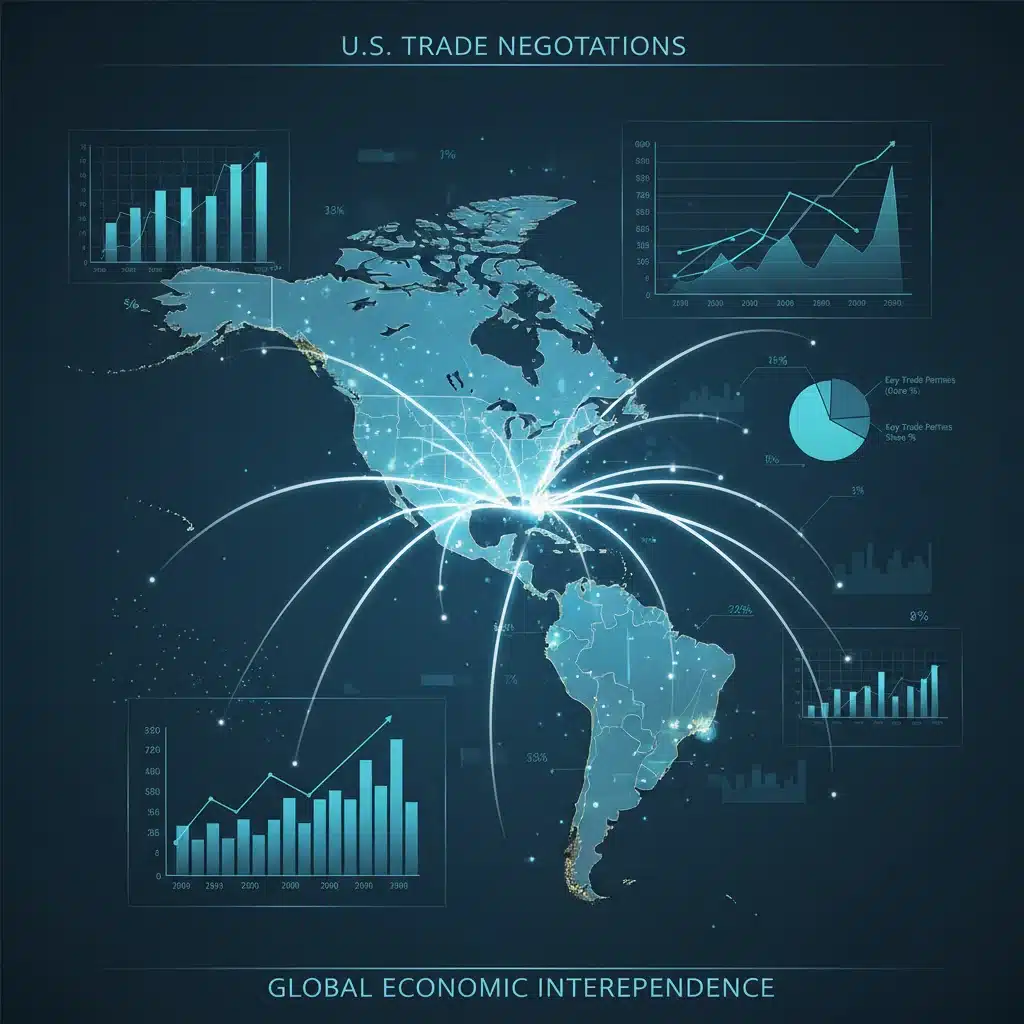
The global economic landscape is in constant flux, shaped profoundly by international trade agreements and ongoing U.S. trade negotiations. These discussions, often complex and multifaceted, hold significant sway over the future trajectory of American industries, influencing everything from supply chains and manufacturing costs to market access and consumer prices. As we approach 2026, understanding the latest developments in these negotiations and their potential economic ripple effects becomes paramount for businesses, policymakers, and the general public alike. This comprehensive analysis delves into the current state of play, identifying key trends, anticipated challenges, and strategic opportunities for American industries.
Anúncios
The Shifting Sands of Global Trade: An Overview of Recent U.S. Trade Negotiations
The past few years have witnessed a dynamic evolution in the approach to U.S. trade negotiations. From multilateral agreements to bilateral pacts and even unilateral measures, the strategies employed by the U.S. government have varied, often reflecting changing geopolitical priorities and domestic economic objectives. Recent administrations have emphasized a blend of strengthening existing alliances, re-evaluating long-standing agreements, and confronting perceived unfair trade practices. This section provides a high-level overview of the most significant trade discussions and their immediate impacts.
Focus on Digital Trade and Emerging Technologies
One of the most prominent shifts in recent U.S. trade negotiations has been the increased focus on digital trade. As the global economy becomes increasingly digitized, rules governing data flows, e-commerce, and intellectual property in the digital realm have become critical. The U.S. is actively pursuing agreements that ensure open digital markets, protect American technological innovation, and address issues like data localization requirements and discriminatory practices against digital services providers. These negotiations are vital for the burgeoning tech sector and for any industry relying heavily on digital infrastructure and cross-border data transfer. The implications for cybersecurity, privacy regulations, and the competitiveness of American tech giants are profound.
Re-evaluating Supply Chain Resilience and Friendshoring
The vulnerabilities exposed during recent global crises have propelled supply chain resilience to the forefront of U.S. trade negotiations. There’s a concerted effort to reduce dependence on single-source suppliers, particularly from geopolitical rivals, and to promote ‘friendshoring’ or ‘nearshoring’ – relocating production to allied or geographically closer nations. This strategy aims to secure critical goods, enhance national security, and create more robust, less susceptible supply chains. While this can lead to higher initial costs for some American industries, the long-term benefits in terms of stability and security are seen as outweighing these concerns. Industries such as semiconductors, pharmaceuticals, and critical minerals are particularly impacted by these strategic shifts, with significant government incentives and policy directives guiding these changes.
Anúncios
The Evolving Role of Environmental and Labor Standards
Modern U.S. trade negotiations are increasingly incorporating robust environmental and labor standards. This reflects a growing domestic and international demand for ethical and sustainable trade. The U.S. is pushing for provisions that ensure trading partners adhere to internationally recognized labor rights, combat forced labor, and implement strong environmental protections. While these provisions are intended to level the playing field and promote responsible business practices, they can also introduce new compliance burdens for American industries engaged in international trade, particularly those sourcing from developing economies. However, they also present an opportunity for American companies that already meet or exceed these standards to differentiate themselves in the global market.
Projected Economic Implications for American Industries by 2026
The culmination of these ongoing U.S. trade negotiations will undoubtedly reshape the economic landscape for American industries by 2026. The impacts will be uneven, with some sectors experiencing significant growth and new opportunities, while others may face increased competition or adjustment challenges. This section provides a sector-by-sector analysis of anticipated economic implications.
Manufacturing Sector: Reshoring and Automation
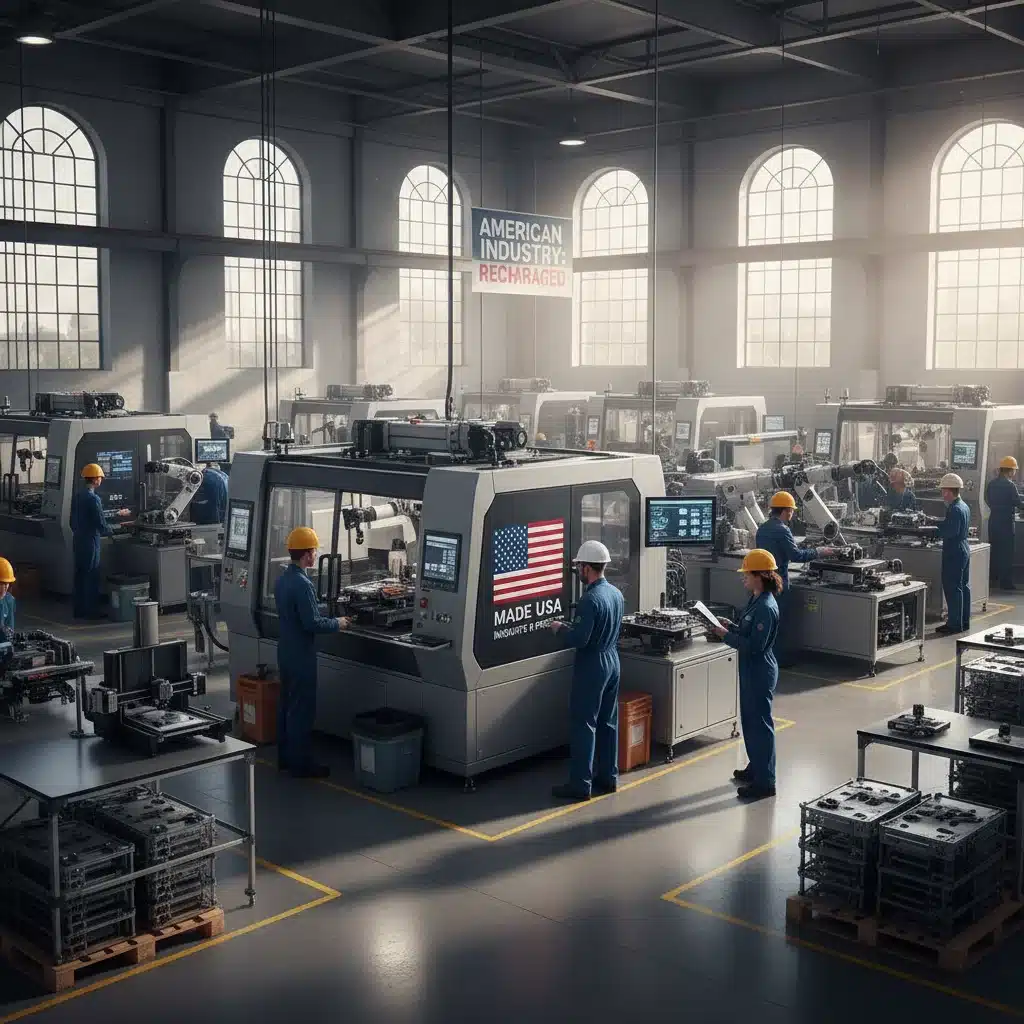
The manufacturing sector stands to be profoundly influenced by the outcomes of U.S. trade negotiations. The push for supply chain resilience and friendshoring is likely to incentivize a degree of reshoring of manufacturing activities to the U.S. and allied nations. This could lead to increased domestic investment, job creation in advanced manufacturing, and a revitalization of certain industrial hubs. However, this reshoring will likely be accompanied by a greater adoption of automation and advanced robotics to maintain competitiveness, meaning job growth may be concentrated in high-skilled areas. Industries like automotive, aerospace, and electronics manufacturing could see significant shifts in production locations and technological integration. The challenge will be to ensure that these shifts are supported by adequate workforce training and infrastructure development.
Furthermore, tariffs and trade remedies, which are often tools in U.S. trade negotiations, will continue to play a role in protecting domestic industries from unfair competition. While these measures can provide short-term relief, they also carry the risk of retaliatory tariffs, which can increase input costs for manufacturers relying on imported components. Balancing protection with global integration will be a continuous tightrope walk for policymakers.
Agriculture Sector: Market Access and Subsidy Reforms
For the American agriculture sector, U.S. trade negotiations are consistently a high-stakes affair. The focus for 2026 will likely remain on securing and expanding market access for U.S. agricultural products in key export markets, particularly in Asia and Europe. Reductions in tariff and non-tariff barriers (such as sanitary and phytosanitary measures) are crucial for increasing profitability for farmers. However, these negotiations also involve sensitive discussions around agricultural subsidies, both domestic and foreign. While the U.S. often advocates for reduced subsidies abroad, domestic agricultural support programs remain a contentious issue. The success of future trade deals in opening new markets will directly impact commodity prices, farm incomes, and the overall health of rural economies.
Moreover, environmental standards embedded in trade agreements could influence agricultural practices, pushing for more sustainable farming methods. While this aligns with global sustainability goals, it may require investment in new technologies and practices for some producers. The ability of the U.S. to leverage its position as a major food exporter in these negotiations will be critical for the sector’s long-term prosperity.
Technology and Services Sectors: Data Flows and Intellectual Property
The technology and services sectors, including finance, entertainment, and digital platforms, are at the forefront of the new era of U.S. trade negotiations. The primary concerns revolve around cross-border data flows, intellectual property protection, and regulatory harmonization. Agreements that ensure the free flow of data, prevent data localization requirements, and strengthen intellectual property rights will be highly beneficial for American tech companies, allowing them to expand their global reach and protect their innovations. The U.S. is actively pushing for robust digital trade chapters in new agreements and modernizing existing ones to reflect technological advancements.
Conversely, a fragmentation of digital regulations globally could pose significant challenges, increasing compliance costs and hindering the operations of multinational tech firms. The ability of the U.S. to shape global norms for digital trade will be a critical determinant of the competitiveness of its tech and services industries by 2026. This also extends to issues of digital taxation and the regulation of artificial intelligence, which are increasingly becoming part of the broader trade discussion.
Energy Sector: Geopolitical Stability and Green Transition
The energy sector’s future, particularly concerning exports of natural gas and renewable energy technologies, is also intertwined with U.S. trade negotiations. The U.S. aims to ensure stable global energy markets and promote energy security for its allies. Trade agreements can facilitate the export of U.S. energy resources, strengthening geopolitical ties and providing economic benefits. Furthermore, as the world transitions to cleaner energy sources, trade policies will play a crucial role in promoting the export of American green technologies and services. This includes solar panels, wind turbines, electric vehicles, and battery storage solutions.
However, trade disputes over subsidies for renewable energy or tariffs on critical minerals essential for green technologies could create headwinds. The balance between promoting domestic energy production and integrating into global green supply chains will be a key challenge. By 2026, the outcomes of these negotiations will significantly influence the competitiveness of American energy companies in both traditional and renewable energy markets.
Challenges and Opportunities for American Industries in 2026
Navigating the complex landscape of U.S. trade negotiations presents both significant challenges and unique opportunities for American industries as we look towards 2026. Proactive engagement and strategic adaptation will be key to thriving in this evolving environment.
Challenges: Increased Protectionism and Geopolitical Tensions
One of the primary challenges stems from the potential for increased protectionism globally. While the U.S. may pursue measures to protect its own industries, other nations may reciprocate, leading to a tit-for-tat cycle of tariffs and trade barriers. This can disrupt global supply chains, increase costs for consumers, and reduce export opportunities for American businesses. Geopolitical tensions, particularly with major economic powers, also pose a significant risk, potentially leading to trade decoupling or the weaponization of trade. American industries must prepare for scenarios where access to certain markets or critical inputs becomes restricted due to political considerations, necessitating diversification of both markets and supply sources.
Another challenge lies in the complexity of new trade rules, especially those related to digital trade, environmental standards, and labor rights. Small and medium-sized enterprises (SMEs) may find it particularly difficult to keep abreast of these evolving regulations and implement the necessary compliance measures, potentially putting them at a disadvantage compared to larger corporations with dedicated legal and compliance teams. Government support and accessible resources will be crucial to help SMEs navigate these complexities.
Opportunities: New Market Access and Innovation Drive
Despite the challenges, U.S. trade negotiations also unlock significant opportunities. Successful agreements can open up new markets for American goods and services, reducing tariffs and non-tariff barriers that previously hindered exports. This expanded market access can drive increased sales, economies of scale, and overall economic growth. Furthermore, the emphasis on strengthening supply chains and friendshoring could spur domestic innovation and investment, leading to the development of new technologies and production methods within the U.S.
The focus on digital trade standards presents a unique opportunity for American tech companies to solidify their global leadership. By advocating for open, secure, and fair digital ecosystems, the U.S. can create a favorable environment for its innovative digital services and platforms to thrive internationally. Similarly, the push for higher environmental and labor standards in trade agreements can enhance the reputation of American products and services, appealing to a growing segment of environmentally and socially conscious consumers globally. This can create a competitive advantage for companies that embody these values.
Strategies for American Industries to Prepare for 2026
Given the anticipated shifts from U.S. trade negotiations, American industries must adopt proactive strategies to mitigate risks and capitalize on opportunities as 2026 approaches. Foresight and adaptability will be paramount.
Diversifying Supply Chains and Markets
A critical strategy is to diversify supply chains. Relying on a single country or region for critical inputs has proven risky. Industries should explore alternative sourcing options, including domestic suppliers or those in allied nations, to build greater resilience. Similarly, diversifying export markets can reduce dependence on any single trading partner, making businesses less vulnerable to sudden policy changes or economic downturns in specific countries. This requires thorough market research and a willingness to invest in new relationships and logistical frameworks.
Investing in Automation and Workforce Development
To remain competitive, especially with potential reshoring efforts, American industries must continue to invest in automation, artificial intelligence, and other advanced manufacturing technologies. This not only increases efficiency and reduces labor costs but also enhances product quality and innovation. Concurrently, there must be a strong focus on workforce development, retraining existing employees, and educating new ones with the skills required for advanced manufacturing and digital economy jobs. Public-private partnerships in education and vocational training will be essential.
Engaging with Policymakers and Adapting to New Standards
Businesses should actively engage with policymakers to articulate their concerns and perspectives on ongoing U.S. trade negotiations. Providing real-world insights can help shape more effective and beneficial trade policies. Furthermore, industries must stay informed about evolving trade standards, particularly those related to environmental, social, and governance (ESG) factors, and digital regulations. Proactive adaptation to these new standards can transform potential compliance burdens into competitive advantages, showcasing a commitment to responsible and sustainable business practices.
Leveraging Digital Tools for Global Trade
The digital transformation of global trade offers immense opportunities. American industries should leverage digital platforms for e-commerce, utilize data analytics to identify new market opportunities, and implement blockchain or other distributed ledger technologies for enhanced supply chain transparency and efficiency. Digital tools can help companies navigate customs procedures, manage logistics, and connect with international customers more effectively, thereby reducing friction in cross-border transactions and expanding reach.