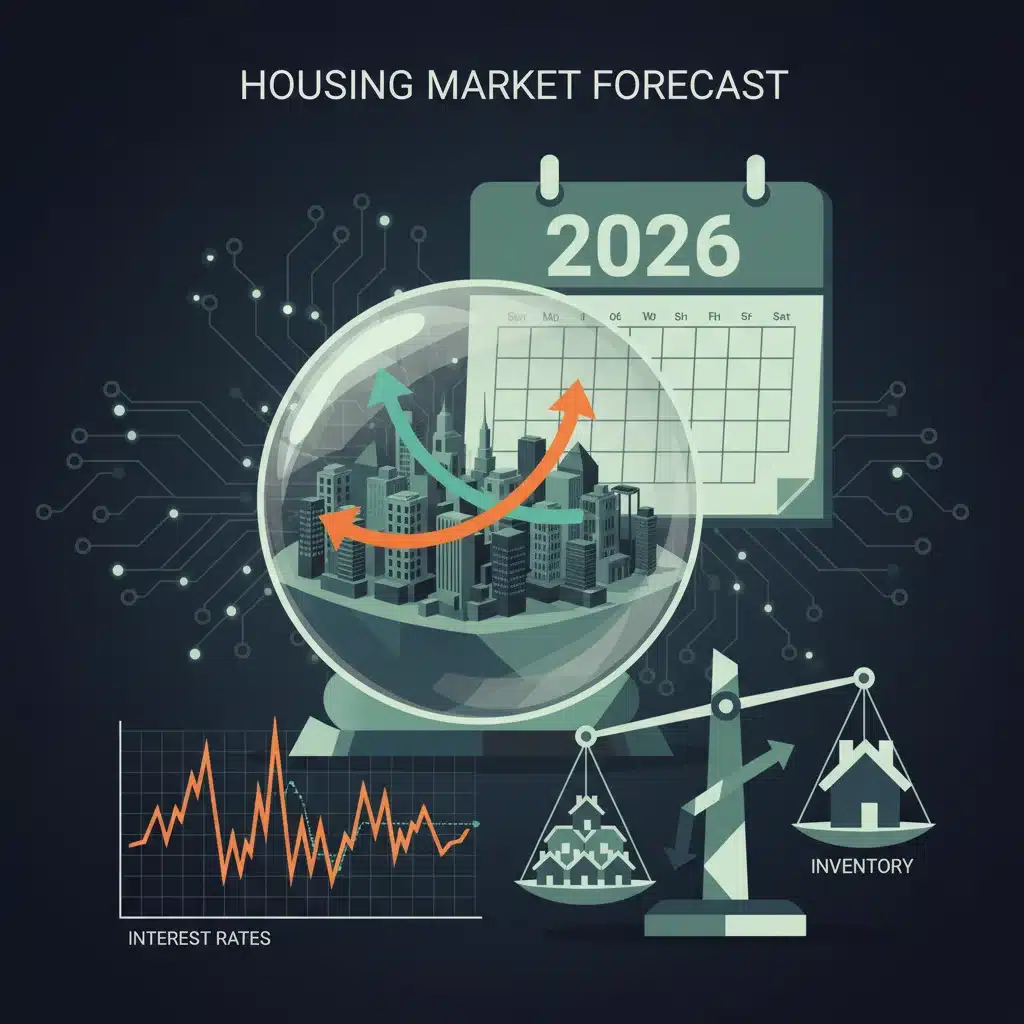
The real estate landscape is perpetually dynamic, a complex interplay of economic forces, demographic shifts, and policy decisions. As we look ahead, discerning the trajectory of the housing market 2026 becomes paramount for prospective buyers, current homeowners, investors, and industry professionals alike. This comprehensive forecast aims to dissect the critical factors that will shape the U.S. housing market over the next year, with a particular focus on interest rates, housing inventory, and affordability.
Understanding the nuances of these elements is not merely an academic exercise; it’s a strategic imperative. The decisions made today, whether to buy, sell, or refinance, are heavily influenced by the anticipated conditions of tomorrow. Our exploration will provide a detailed, data-driven outlook, equipping you with the insights needed to navigate the evolving real estate environment effectively.
Anúncios
Decoding the Current Economic Climate: Foundation for the Housing Market 2026
Before we project into 2026, it’s essential to grasp the economic underpinnings that will set the stage. The U.S. economy has demonstrated remarkable resilience in recent years, but it’s not without its challenges. Inflation, while showing signs of cooling, remains a significant concern for central banks. Geopolitical events continue to introduce volatility, impacting everything from supply chains to consumer confidence. Labor market conditions, consumer spending patterns, and overall GDP growth are all crucial indicators that will indirectly influence the housing market 2026.
A strong labor market, characterized by low unemployment and steady wage growth, typically supports housing demand. Conversely, economic slowdowns or recessions can dampen buyer enthusiasm and impact affordability. We’ll examine how these broader economic trends are expected to evolve and their ripple effects on real estate.
Anúncios
Inflationary Pressures and the Federal Reserve’s Stance
The Federal Reserve’s primary mandate includes maintaining price stability and maximizing employment. Their actions, particularly regarding interest rates, are perhaps the single most influential factor affecting the housing market. Persistent inflation has led to a period of aggressive rate hikes, making borrowing more expensive. As we approach 2026, the Fed’s strategy will be closely watched. If inflation continues its downward trend, there might be room for rate stabilization or even modest cuts, which would be a boon for housing affordability.
However, if inflationary pressures prove more stubborn than anticipated, the Fed may maintain a tighter monetary policy, keeping interest rates elevated. This scenario would continue to challenge buyer purchasing power and could lead to a more subdued housing market 2026. Understanding the Fed’s forward guidance and economic projections will be key to anticipating interest rate movements.
Interest Rates: The Linchpin of the Housing Market 2026 Forecast
Mortgage interest rates are the lifeblood of the housing market. They directly impact monthly payments, determining how much house a buyer can afford. A slight shift in rates can translate into hundreds of dollars difference in monthly expenses, significantly altering buying decisions. For the housing market 2026, the trajectory of these rates will be a central theme.
Factors Influencing Mortgage Rates
Several factors beyond the Federal Reserve’s policy decisions influence mortgage rates. These include:
- Treasury Yields: Mortgage rates often track the yield on 10-year Treasury bonds. When Treasury yields rise, mortgage rates typically follow suit.
- Inflation Expectations: Lenders incorporate inflation expectations into their rates. If they anticipate higher inflation, they will demand higher rates to compensate for the erosion of future purchasing power.
- Economic Growth: A strong economy can sometimes lead to higher rates as demand for credit increases. Conversely, a weakening economy might see rates fall.
- Global Economic Events: International crises or significant economic shifts can create uncertainty, driving investors towards safer assets like U.S. Treasuries, which can influence yields and, consequently, mortgage rates.
3-Month Outlook on Interest Rates (Late 2025 – Early 2026)
Looking specifically at the three-month window leading into and within early 2026, many economists predict a period of relative stability, albeit at levels higher than the historically low rates seen in prior years. The consensus suggests that if inflation continues its gradual descent towards the Fed’s target, we might see a plateauing of rates, possibly with minor fluctuations. A significant drop is less likely unless the economy experiences a more pronounced downturn, which is not the baseline forecast.
Conversely, a resurgence of inflation or unexpected economic strength could prompt the Fed to maintain a hawkish stance, preventing any substantial rate relief. Buyers should prepare for rates that are likely to remain in the mid-to-high single digits, making affordability a continued challenge in many markets. This outlook is crucial for anyone planning to enter the housing market 2026.
Housing Inventory: Supply and Demand Dynamics in 2026
The supply of available homes for sale, or housing inventory, is the other critical pillar of the real estate market. A severe imbalance between supply and demand can lead to rapid price appreciation or depreciation, regardless of interest rate movements. The post-pandemic era saw historically low inventory levels, contributing to intense competition and soaring home prices. How will this evolve for the housing market 2026?
Current State of Inventory and Contributing Factors
Currently, inventory remains tight in many desirable areas, although there have been some signs of improvement. Several factors contribute to the ongoing low supply:
- "Lock-in Effect": Many homeowners refinanced into ultra-low mortgage rates during the pandemic. They are reluctant to sell and buy a new home at significantly higher rates, effectively reducing the number of existing homes coming onto the market.
- Underbuilding: A decade of underbuilding after the 2008 financial crisis created a structural deficit in housing supply, which continues to impact the market.
- Construction Costs: High material costs, labor shortages, and regulatory hurdles continue to challenge homebuilders, making it difficult to ramp up new construction quickly and affordably.
- Investor Activity: While some investor activity has cooled, institutional buyers still hold a significant portion of rental properties, further limiting homes available for traditional buyers.

Projected Inventory Trends for the Housing Market 2026
For the housing market 2026, expectations are mixed but lean towards a gradual, modest increase in inventory. The "lock-in effect" is likely to persist, but some homeowners may eventually be compelled to move due to life events (job relocation, family changes, retirement), slowly adding to the supply. New construction is expected to continue its upward trend, albeit at a pace that may not fully alleviate the existing deficit.
Regional variations will be significant. Some areas, particularly those with strong job growth and less restrictive zoning, may see more new homes enter the market. Conversely, highly desirable, supply-constrained urban centers might continue to grapple with limited options. Buyers in 2026 will still face competition, but perhaps not at the fever pitch of recent years, especially if higher interest rates temper demand.
Home Prices and Affordability: Navigating the 2026 Landscape
The interplay of interest rates and inventory directly influences home prices and, crucially, affordability. After a period of unprecedented price growth, the market has seen some cooling, but significant corrections have been rare and localized. What can buyers and sellers expect for home prices in the housing market 2026?
Price Appreciation or Depreciation?
Most forecasts for the housing market 2026 do not predict a widespread, dramatic crash in home prices. Instead, a more balanced market is anticipated, characterized by:
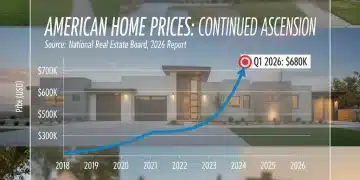
- Modest Appreciation: Many experts foresee a return to more sustainable levels of home price appreciation, closer to historical averages (3-5% annually), rather than the double-digit gains of recent years. This will be driven by continued, albeit tempered, demand and persistent supply constraints.
- Regional Divergence: Price trends will vary significantly by region. Areas with robust economic growth, strong job markets, and limited new construction will likely continue to see stronger price gains. Conversely, areas that experienced speculative buying or have seen significant out-migration might experience flatter prices or even slight declines.
- Affordability Ceiling: High interest rates combined with already elevated home prices create an affordability ceiling. This acts as a natural brake on aggressive price increases, as fewer buyers can qualify for loans or afford the monthly payments.
Challenges to Affordability
Affordability will remain a central challenge in the housing market 2026. Even with potentially moderating price growth, the cumulative effect of higher interest rates and elevated home values means that a significant portion of the population will struggle to enter homeownership. First-time buyers, in particular, will face hurdles related to down payments and qualifying for mortgages.
Policy measures, such as first-time buyer programs, down payment assistance, and initiatives to boost affordable housing construction, could play a role in mitigating some of these challenges. However, systemic issues of supply and demand will require sustained effort to address.
Regional Hotspots and Cold Zones in the Housing Market 2026
The U.S. housing market is not a monolith; it’s a collection of diverse local markets, each with its own unique dynamics. What thrives in one region might struggle in another. For the housing market 2026, understanding these regional nuances is vital.
Areas to Watch for Growth
Certain regions are poised for continued growth due to robust job markets, population influx, and relative affordability (compared to coastal giants). These often include:
- Sun Belt Cities: Many cities across the Sun Belt, particularly in Texas, Florida, and the Carolinas, continue to attract new residents and businesses, fueling housing demand.
- Midwestern Hubs: Select Midwestern cities with growing tech or manufacturing sectors and a lower cost of living may see sustained interest.
- Emerging Tech Corridors: Regions developing new tech or innovation hubs could experience increased demand as professionals relocate for job opportunities.
Potential Areas of Slowdown or Correction
Conversely, some markets might experience a slowdown or even modest price corrections. These could include:
- Overheated Markets: Areas that saw exponential price growth in recent years, particularly those with less robust underlying economic fundamentals, could see prices stabilize or slightly decrease.
- Out-migration Zones: Regions experiencing a net outflow of population due to high costs of living or declining industries might face reduced demand.
- Interest Rate Sensitive Markets: Markets where a large portion of buyers rely on financing and are particularly sensitive to interest rate fluctuations could see demand temper more significantly.

The Role of Demographics in the Housing Market 2026
Demographic shifts are long-term drivers of housing demand. The millennial generation, now largely in their prime homebuying years, continues to be a dominant force. Gen Z is also beginning to enter the market, albeit in smaller numbers for now. The aging baby boomer generation also plays a role, as many consider downsizing or relocating.
Millennials and Gen Z: The Future of Homeownership
Millennials, despite facing affordability challenges, still harbor strong aspirations for homeownership. As they age and accumulate wealth, their demand will continue to be a foundational element of the housing market 2026. Gen Z, while younger, is also showing interest in real estate, though their entry into the market might be slower due to student debt and delayed household formation.
Their preferences, often leaning towards walkable communities, sustainable homes, and tech-integrated living spaces, will influence the types of properties in demand and the locations that thrive. Builders and sellers need to be attuned to these evolving preferences.
Impact of Remote Work on Housing Demand
The lasting impact of remote and hybrid work models cannot be overstated. This trend has decoupled housing demand from traditional urban centers, allowing people to seek more affordable or spacious homes in secondary cities and suburban areas. While some companies are calling workers back to offices, the flexibility offered by remote work is likely to persist, continuing to shape demand patterns in the housing market 2026.
This distributed demand can lead to price increases in previously overlooked areas and potentially alleviate some pressure on historically expensive metros. It also creates opportunities for investors in emerging markets.
Mortgage Market Innovations and Challenges in 2026
The mortgage industry is constantly evolving, introducing new products and facing new challenges. For the housing market 2026, understanding these developments is crucial for buyers seeking financing.
Emerging Mortgage Products and Technologies
We might see an increase in innovative mortgage products designed to address affordability challenges. These could include:
- Adjustable-Rate Mortgages (ARMs): While carrying more risk, ARMs might become more attractive if initial fixed rates are significantly lower, offering a path to homeownership for some.
- Government-Backed Loans: FHA, VA, and USDA loans will continue to be vital, especially for first-time buyers and those with lower down payments.
- Fintech Innovations: Mortgage technology continues to streamline the application process, potentially reducing closing times and improving efficiency.
Regulatory Environment and Lending Standards
The regulatory environment will continue to play a role. While there’s a desire to expand access to credit, regulators also aim to prevent a return to the lax lending standards that contributed to the 2008 crisis. Lending standards are expected to remain robust, requiring solid credit scores and verifiable income. This ensures stability but can also be a barrier for some prospective buyers in the housing market 2026.
Investment Opportunities and Risks in the Housing Market 2026
For investors, the housing market 2026 presents both opportunities and risks. The era of easy double-digit returns might be behind us, but strategic investments can still yield positive outcomes.
Buy-and-Hold Strategies
Long-term buy-and-hold strategies, focused on rental income and modest appreciation, are likely to remain viable, especially in markets with strong rental demand and favorable demographics. Identifying areas with growing populations and job markets will be key.
Flipping and Short-Term Investments
The flipping market may become more challenging as price appreciation slows and inventory potentially increases. Higher interest rates also mean higher carrying costs for investors. Successful flipping will require astute market analysis, efficient renovations, and a deep understanding of local buyer preferences.
Risks for Investors
Key risks for investors in 2026 include:
- Interest Rate Volatility: Unexpected rate hikes could increase borrowing costs and reduce buyer demand.
- Economic Downturn: A significant recession could impact rental income stability and property values.
- Local Market Saturation: Over-investment in certain areas could lead to increased competition and reduced returns.
Conclusion: Navigating the Housing Market 2026
The housing market 2026 is poised for a period of recalibration rather than dramatic upheaval. While the days of hyper-growth may be behind us, a healthy, albeit more challenging, market is anticipated. Interest rates are expected to remain elevated compared to recent historical lows, exerting continued pressure on affordability. Housing inventory, while showing signs of gradual improvement, will likely remain a constraint in many desirable areas, supporting modest price appreciation.
For buyers, patience and strategic planning will be paramount. Securing favorable financing and being prepared to act quickly when suitable properties emerge will be crucial. For sellers, realistic pricing and effective marketing will be key to attracting buyers in a less frenzied environment. Investors will need to conduct thorough due diligence and focus on long-term value and cash flow, rather than relying solely on rapid price appreciation.
Ultimately, success in the housing market 2026 will hinge on staying informed, adapting to evolving conditions, and making well-considered decisions based on a clear understanding of local and national trends. The landscape is shifting, but with careful navigation, opportunities will undoubtedly emerge for those prepared to seize them.