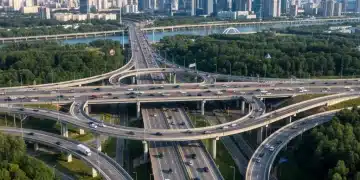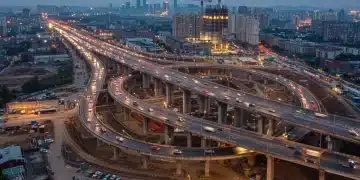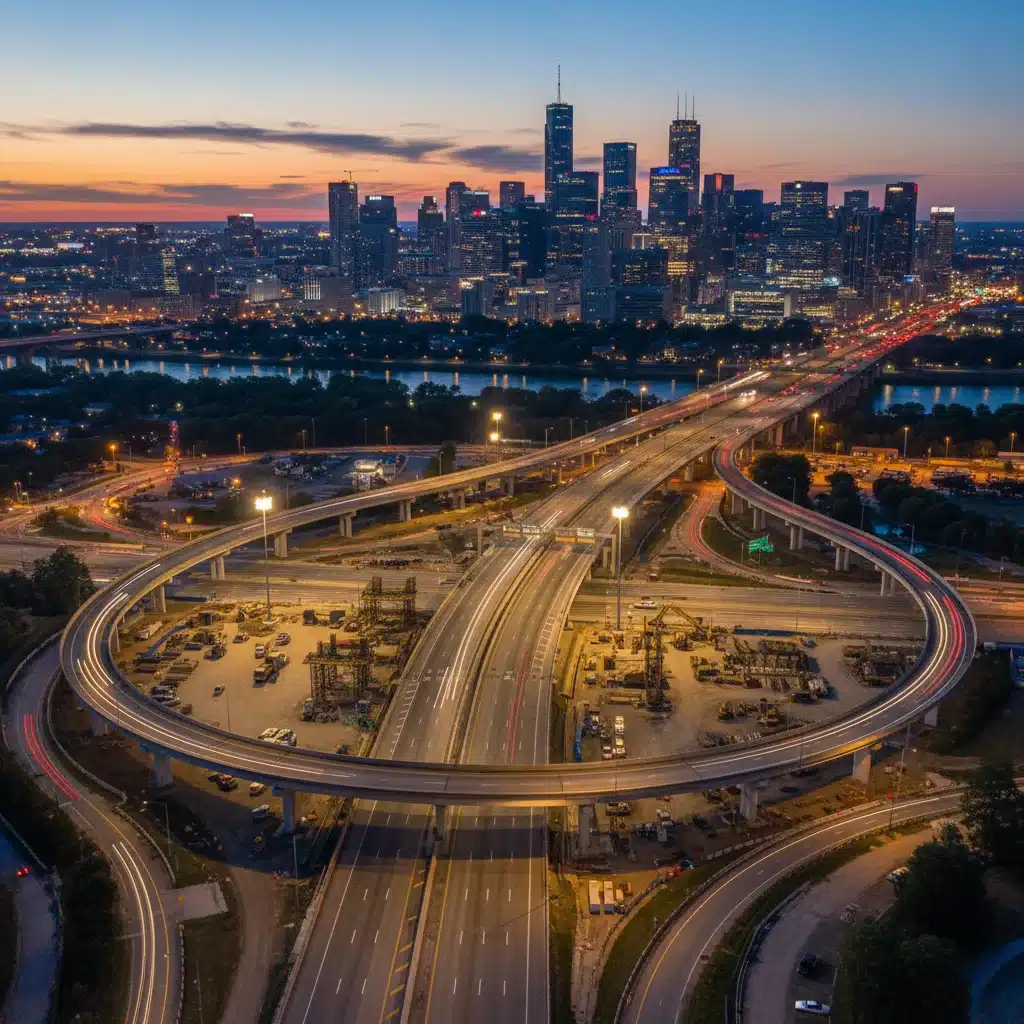
The United States, a nation built on innovation and resilience, has consistently recognized the critical role of robust infrastructure in fostering economic prosperity, national security, and societal well-being. From the transcontinental railroad to the interstate highway system, grand infrastructure projects have historically propelled the country forward. In recent years, a renewed commitment to revitalizing and modernizing America’s aging infrastructure culminated in the passage of the landmark Infrastructure Investment and Jobs Act (IIJA), often simply referred to as the infrastructure bill progress. As we reach mid-2026, it is an opportune moment to take stock of the significant strides made, the challenges overcome, and the transformative impact these investments are having across the nation.
Anúncios
The IIJA, signed into law in November 2021, represents a monumental, bipartisan effort to invest billions of dollars into America’s roads, bridges, public transit, rail, ports, airports, broadband internet, water pipes, power grids, and more. This comprehensive package aimed not only to repair and rebuild but also to future-proof the nation’s infrastructure against the challenges of climate change and the demands of a 21st-century economy. The initial phases involved extensive planning, grant applications, and regulatory hurdles, but by mid-2026, many projects have moved from the drawing board to active construction, demonstrating tangible infrastructure bill progress.
Understanding the Scope of the Infrastructure Investment and Jobs Act
Before diving into specific project updates, it’s crucial to grasp the sheer scale and ambition of the IIJA. The bill allocated approximately $1.2 trillion over eight years, with $550 billion in new federal investments. These funds are distributed through a complex web of federal agencies, state departments of transportation, local governments, and public-private partnerships. The core objectives include:
Anúncios
- Repairing and Rebuilding Roads and Bridges: Addressing the backlog of structurally deficient and functionally obsolete infrastructure.
- Improving Public Transit: Modernizing and expanding bus, subway, and commuter rail systems.
- Expanding Passenger and Freight Rail: Investing in Amtrak and freight rail to improve safety, reliability, and capacity.
- Upgrading Ports and Airports: Enhancing efficiency and resilience of key gateways for commerce and travel.
- Delivering Clean Water: Replacing lead pipes and improving water infrastructure nationwide.
- Expanding Broadband Internet: Ensuring every American has access to affordable, reliable high-speed internet.
- Modernizing the Electric Grid: Strengthening grid resilience and deploying clean energy technologies.
- Investing in Clean Energy and Electric Vehicles: Building a national network of EV chargers and promoting clean energy initiatives.
The strategic allocation of these funds reflects a holistic approach to infrastructure, recognizing the interconnectedness of these sectors. The infrastructure bill progress isn’t just about pouring concrete; it’s about laying the groundwork for sustainable growth, job creation, and enhanced quality of life for all Americans.
Key Transportation Projects Driving Infrastructure Bill Progress
Transportation infrastructure forms the backbone of the American economy, enabling the movement of goods and people. The IIJA has channeled significant resources into this sector, and by mid-2026, several flagship projects are well underway.
Roads and Bridges: A National Overhaul
One of the most visible aspects of the infrastructure bill progress is the revitalization of roads and bridges. Thousands of projects, from major interstate reconstructions to local bridge repairs, are in various stages of completion. For instance, the long-awaited rehabilitation of the Brent Spence Bridge Corridor, connecting Cincinnati, Ohio, and Covington, Kentucky, has seen substantial federal commitment. This project, a critical artery for freight and passenger travel, is now moving forward with significant construction activities, promising to alleviate decades of congestion and improve safety.
Across the country, states like Pennsylvania, California, and Texas are leveraging IIJA funds to address their most pressing road and bridge needs. In the Northeast, a major initiative to repair and upgrade aging bridges along Interstate 95 has gained considerable momentum, utilizing advanced construction techniques to minimize disruption while ensuring long-term durability. These projects are not only improving commute times and freight logistics but also creating tens of thousands of construction jobs, stimulating local economies.
Public Transit Modernization
Urban and suburban transit systems are also experiencing a renaissance. Cities like New York, Los Angeles, and Chicago are receiving substantial grants to modernize their subway and bus fleets, expand service routes, and improve accessibility. For example, the expansion of light rail systems in cities like Phoenix and Seattle has accelerated, providing more sustainable and efficient transportation options for growing populations. These investments are crucial for reducing traffic congestion, lowering carbon emissions, and ensuring equitable access to jobs and services, marking significant infrastructure bill progress in urban mobility.
Rail System Enhancements
Amtrak and freight rail networks are also beneficiaries of the IIJA. Projects aimed at improving track safety, upgrading signaling systems, and increasing passenger rail capacity are progressing. The Northeast Corridor, a vital economic artery, is seeing investments in tunnel repairs and bridge replacements that will enhance reliability and reduce travel times. Furthermore, funding for new intercity passenger rail routes in regions previously underserved is in the planning and initial construction phases, promising to connect more communities and offer alternatives to air and car travel.
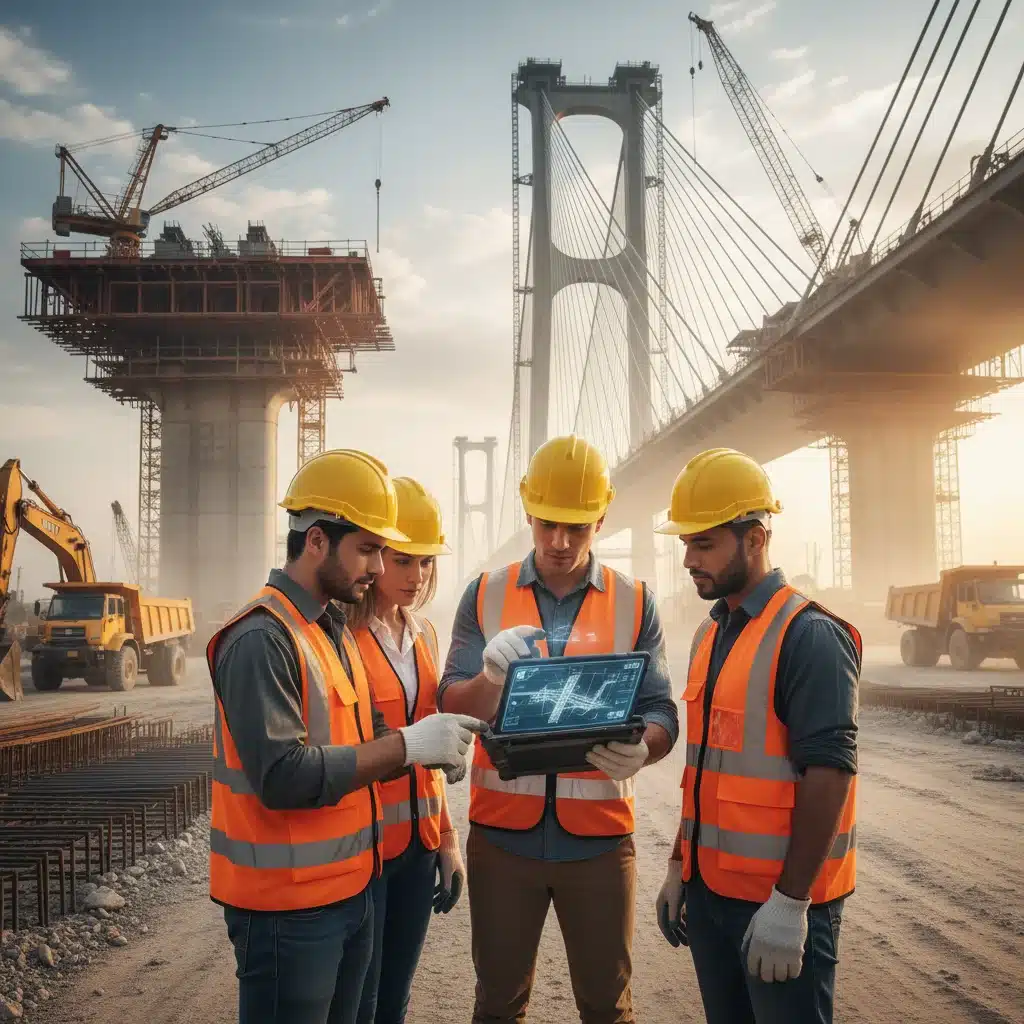
These transportation projects collectively underscore the profound impact of the infrastructure bill progress. They are not merely about fixing what’s broken but about building a more resilient, efficient, and interconnected transportation network for the future.
Water and Broadband: Essential Utilities for the 21st Century
Beyond transportation, the IIJA addresses fundamental utilities that are critical for public health and economic competitiveness: clean water and high-speed internet.
Delivering Clean Water: Addressing Lead Pipes and Aging Systems
The crisis of aging water infrastructure, particularly the prevalence of lead service lines, has been a national concern for years. The IIJA allocates significant funding to replace lead pipes, improve wastewater treatment facilities, and enhance water quality monitoring. By mid-2026, thousands of communities across the U.S. have initiated or completed lead pipe replacement programs. Cities like Flint, Michigan, which became a symbol of the lead pipe crisis, are receiving substantial aid to ensure their residents have access to safe, clean drinking water. This is a crucial aspect of infrastructure bill progress, directly impacting public health and environmental justice.
Furthermore, investments are being made in drought resilience projects in the Western states, improving water storage and distribution systems to combat the effects of climate change. These initiatives demonstrate a proactive approach to securing essential resources for future generations.
Broadband Internet for All
The COVID-19 pandemic starkly highlighted the digital divide, revealing how many Americans lack access to reliable, affordable high-speed internet. The IIJA includes the largest-ever investment in broadband infrastructure, aiming to ensure every American has access. By mid-2026, numerous states have launched ambitious programs to expand broadband access to rural and underserved urban areas. Projects involve laying new fiber optic cables, deploying fixed wireless technologies, and establishing community-based internet initiatives.
This aspect of infrastructure bill progress is transformative, enabling remote work, online education, telehealth services, and economic development in communities that were previously left behind. The goal is not just connectivity but equitable access to the digital economy, fostering innovation and opportunity nationwide.
Clean Energy and Grid Modernization: Powering the Future
The IIJA also makes substantial investments in modernizing the nation’s energy infrastructure, with a strong emphasis on clean energy and grid resilience.
Strengthening the Electric Grid
The U.S. electric grid is a complex, often aging, system vulnerable to extreme weather events and cyberattacks. The IIJA provides funding to strengthen grid resilience, deploy advanced technologies, and facilitate the integration of renewable energy sources. Projects include upgrading transmission lines, implementing smart grid technologies, and enhancing energy storage solutions. For example, states in the Midwest are utilizing funds to build new high-voltage transmission lines that will carry wind and solar power from generation sites to population centers, bolstering grid reliability and reducing reliance on fossil fuels.
Accelerating Clean Energy Transition
The push for clean energy is a central pillar of the infrastructure bill progress. Investments are being made in a wide range of renewable energy projects, from large-scale solar farms and wind turbine installations to geothermal energy initiatives. Furthermore, the bill supports the development of a national electric vehicle (EV) charging network, aiming to deploy 500,000 chargers across the country. By mid-2026, thousands of new EV charging stations are either operational or under construction, making EV adoption more feasible for millions of Americans and driving the transition to a cleaner transportation sector.
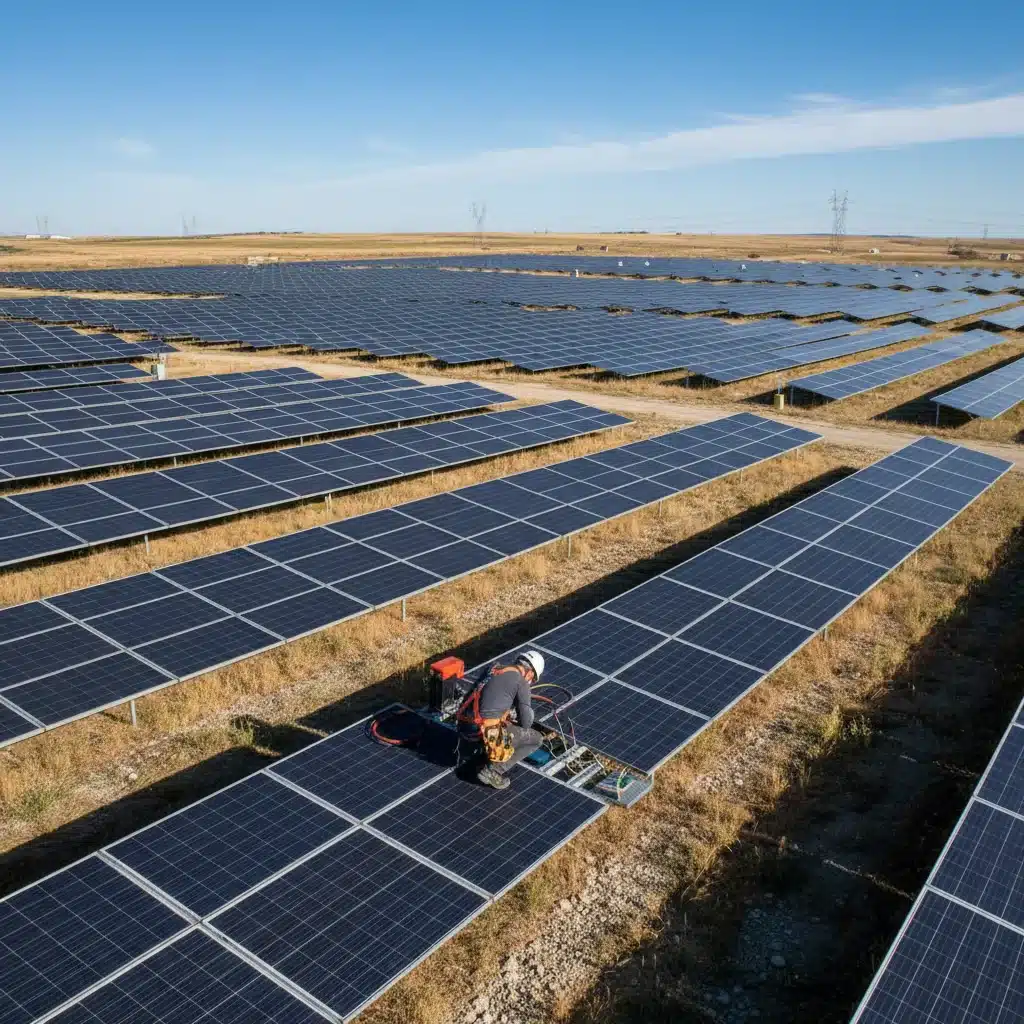
These energy-focused initiatives are not only reducing greenhouse gas emissions but also creating new jobs in the clean energy sector and positioning the U.S. as a leader in sustainable technology.
Economic Impact and Job Creation
Beyond the physical improvements, the infrastructure bill progress has a profound economic impact. The investments are estimated to create millions of good-paying jobs, both directly in construction and indirectly in supporting industries. Economists project that the IIJA will boost GDP, increase productivity, and enhance the nation’s long-term economic competitiveness.
Local communities are experiencing direct benefits through increased employment opportunities, especially for skilled trades. The demand for engineers, construction workers, equipment operators, and project managers has surged. Moreover, the improved infrastructure facilitates commerce, reduces transportation costs, and attracts new businesses, fostering sustainable economic growth in regions across the country.
The bill also emphasizes workforce development, providing funding for training programs to ensure a skilled labor force is available to execute these ambitious projects. This focus on human capital is integral to the long-term success of the infrastructure initiatives and ensures that the benefits of the investments are broadly shared.
Challenges and Looking Ahead
While the infrastructure bill progress has been substantial, the undertaking is not without its challenges. Inflationary pressures, supply chain disruptions, and labor shortages have posed hurdles for some projects. Navigating complex permitting processes and ensuring equitable distribution of funds also remain ongoing tasks. However, federal and state agencies are continuously adapting, implementing innovative solutions, and fostering collaboration to overcome these obstacles.
As we look beyond mid-2026, the momentum generated by the IIJA is expected to continue. The long-term nature of the funding ensures that critical projects will continue to break ground and reach completion for years to come. The emphasis will increasingly shift from initial planning to efficient execution and then to the long-term maintenance and operation of these modernized systems. The goal is to build not just for today but for generations, ensuring that America’s infrastructure remains a source of strength and pride.
Conclusion
The Infrastructure Investment and Jobs Act represents a historic commitment to revitalizing America’s foundational assets. As of mid-2026, the nation is witnessing tangible infrastructure bill progress across a multitude of sectors – from safer roads and bridges to cleaner water, widespread broadband, and a more resilient energy grid. These investments are not merely about concrete and steel; they are about fostering economic growth, creating jobs, enhancing public health, and improving the quality of life for every American. The journey to a fully modernized infrastructure is ongoing, but the significant strides made thus far underscore the transformative power of strategic, sustained investment in the nation’s future.