EPA Directives 2026: Navigating New Environmental Policies for U.S. Businesses

Anúncios
The landscape of environmental regulation in the United States is constantly evolving, and for businesses, staying ahead of these changes is not just good practice—it’s essential for operational continuity and long-term success. As we approach Q4 2026, the U.S. Environmental Protection Agency (EPA) is set to roll out a new wave of directives that promise to reshape how American businesses operate, innovate, and contribute to environmental stewardship. These forthcoming EPA Directives 2026 are more than just bureaucratic updates; they represent a significant shift towards more stringent environmental accountability and sustainable practices across various sectors.
Understanding the nuances of these new regulations is paramount. Non-compliance can lead to hefty fines, reputational damage, and operational disruptions. Conversely, proactive adaptation can unlock new opportunities for innovation, efficiency, and market leadership. This comprehensive guide aims to equip U.S. businesses with the knowledge and strategies needed to navigate the upcoming EPA Directives 2026 effectively, transforming potential challenges into strategic advantages.
Anúncios
The Impending Shift: What to Expect from the EPA Directives 2026
The EPA’s mandate is to protect human health and the environment. In pursuit of this mission, the agency regularly reviews and updates its policies to address emerging environmental challenges and incorporate scientific advancements. The EPA Directives 2026 are anticipated to build upon existing frameworks while introducing new mandates, particularly in areas like climate change mitigation, pollution control, and resource management.
Key Areas of Focus: Anticipated Regulatory Changes
While the full scope of the EPA Directives 2026 will be unveiled closer to the implementation date, early indications and ongoing policy discussions suggest several key areas will receive significant attention:
Anúncios
- Greenhouse Gas Emissions: Expect stricter limits and reporting requirements for greenhouse gas (GHG) emissions across industrial sectors. This could include expanded coverage for direct and indirect emissions, potentially impacting energy procurement and supply chain emissions.
- Water Quality Standards: Updates to the Clean Water Act are likely, focusing on reducing pollutant discharges from industrial and agricultural sources. New standards may target emerging contaminants (e.g., PFAS) and enhance monitoring protocols.
- Waste Management and Circular Economy: A stronger emphasis on waste reduction, recycling, and the promotion of a circular economy is expected. This might involve new mandates for product design, material sourcing, and end-of-life management, pushing businesses towards more sustainable material flows.
- Air Quality Regulations: Revisions to National Ambient Air Quality Standards (NAAQS) for certain pollutants may lead to more stringent emission controls for industrial facilities and mobile sources.
- Chemical Management: Further regulations under the Toxic Substances Control Act (TSCA) could introduce new restrictions or reporting requirements for specific chemicals used in manufacturing and products.
- Environmental Justice: The EPA continues to prioritize environmental justice, meaning future directives will likely include provisions aimed at reducing disproportionate environmental burdens on vulnerable communities. Businesses may need to conduct more thorough environmental impact assessments with an equity lens.
These anticipated changes underscore a broader governmental commitment to sustainability and climate resilience. Businesses that align their strategies with these overarching goals will be better positioned for future success.
Why Proactive Engagement with EPA Directives 2026 is Crucial
Waiting until the last minute to understand and implement new regulations is a common pitfall that can lead to significant disadvantages. For the EPA Directives 2026, a proactive approach offers numerous benefits:
Avoiding Penalties and Legal Ramifications
The most immediate and tangible benefit of early compliance is avoiding the severe penalties associated with environmental violations. These can range from substantial fines to operational shutdowns, and even criminal charges in egregious cases. Understanding the new requirements well in advance allows businesses to implement necessary changes systematically, minimizing the risk of non-compliance.
Enhancing Operational Efficiency and Cost Savings
Many environmental regulations, while initially perceived as costs, often drive innovation that leads to long-term operational efficiencies. For example, investing in technologies to reduce emissions or waste can also result in lower energy consumption, reduced material costs, and improved process efficiency. The EPA Directives 2026 could be the catalyst for businesses to reassess their operations and uncover significant savings.
Boosting Brand Reputation and Customer Loyalty
In today’s market, consumers, investors, and employees increasingly value corporate environmental responsibility. Companies that demonstrate a strong commitment to sustainability and compliance with environmental regulations often enjoy enhanced brand reputation, increased customer loyalty, and greater appeal to top talent. Proactively embracing the EPA Directives 2026 can be a powerful marketing tool and a testament to corporate values.
Gaining a Competitive Edge
Early adopters of new environmental standards can gain a significant competitive advantage. By integrating sustainable practices ahead of competitors, businesses can position themselves as industry leaders, attract environmentally conscious investors, and potentially access new markets for green products and services. The EPA Directives 2026 can be a differentiator in a crowded marketplace.
Mitigating Future Risks
Environmental regulations are only likely to become more stringent over time. By building robust environmental management systems and fostering a culture of sustainability now, businesses can future-proof their operations against subsequent regulatory shifts and emerging environmental challenges. This foresight reduces long-term risks and ensures business resilience.
Strategic Steps for Businesses to Prepare for EPA Directives 2026
Preparing for the EPA Directives 2026 requires a multi-faceted approach that involves assessment, planning, investment, and ongoing monitoring. Here’s a strategic roadmap:
1. Stay Informed and Monitor Developments
The first step is continuous vigilance. Businesses should assign a dedicated team or individual to monitor EPA announcements, proposed rules, and industry-specific guidance. Subscribing to EPA newsletters, participating in industry associations, and consulting with environmental legal experts are excellent ways to stay informed about the evolving landscape of the EPA Directives 2026.
2. Conduct a Comprehensive Internal Audit
Once preliminary information about the EPA Directives 2026 becomes available, conduct a thorough internal audit of current operations, processes, and supply chains. Identify areas that are likely to be impacted by the new regulations. This includes assessing:
- Current emissions (air, water, waste) and their sources.
- Chemical usage and management practices.
- Energy consumption and sources.
- Waste generation and disposal methods.
- Existing environmental management systems (EMS).
- Supply chain environmental footprint.
This audit will provide a baseline against which future compliance efforts can be measured.
3. Engage Stakeholders and Form a Compliance Team
Environmental compliance is not solely the responsibility of one department. Form a cross-functional team comprising representatives from operations, engineering, legal, finance, and sustainability departments. This team will be responsible for understanding the EPA Directives 2026, developing compliance strategies, allocating resources, and overseeing implementation. Engage with key stakeholders, including employees, investors, and suppliers, to foster a collective understanding and commitment to compliance.
4. Develop a Detailed Compliance Plan
Based on the internal audit and stakeholder input, develop a detailed compliance plan. This plan should:
- Outline Specific Actions: Detail the steps required to meet each new regulatory requirement.
- Set Timelines: Establish realistic deadlines for each action item, working backward from the Q4 2026 implementation date.
- Allocate Resources: Identify the financial, technological, and human resources needed for implementation.
- Assign Responsibilities: Clearly define who is responsible for each task.
- Establish Metrics: Define key performance indicators (KPIs) to track progress and ensure compliance.
5. Invest in Technology and Infrastructure
Compliance with the EPA Directives 2026 may necessitate investments in new technologies, equipment, or infrastructure. This could include:
- Pollution Control Technologies: Upgrading wastewater treatment plants, air scrubbers, or waste management systems.
- Energy Efficiency Solutions: Investing in renewable energy sources, energy-efficient machinery, or smart building management systems.
- Monitoring and Reporting Systems: Implementing advanced sensors and data analytics platforms for real-time environmental monitoring and automated reporting.
- Sustainable Material Sourcing: Exploring alternative, eco-friendly materials and processes.
Consider the long-term return on investment (ROI) for these upgrades, as they often lead to operational savings and enhanced sustainability performance.
6. Review and Update Environmental Management Systems (EMS)
If your business already has an EMS (e.g., ISO 14001 certified), review and update it to incorporate the requirements of the EPA Directives 2026. If not, consider implementing one. A robust EMS provides a systematic framework for managing environmental impacts, ensuring continuous improvement, and facilitating compliance.
7. Train Employees and Foster a Culture of Compliance
Employee awareness and training are critical for successful compliance. All relevant personnel, from operations staff to management, need to understand their roles and responsibilities in meeting the new environmental standards. Foster a company culture where environmental stewardship is valued and integrated into daily operations. Regular training sessions and clear communication channels will be essential.
8. Engage with Legal and Environmental Consultants
Navigating complex environmental regulations can be challenging. Engaging with specialized environmental lawyers and consultants can provide invaluable expertise. They can help interpret the EPA Directives 2026, assess compliance gaps, develop robust strategies, and even represent your business during regulatory interactions.
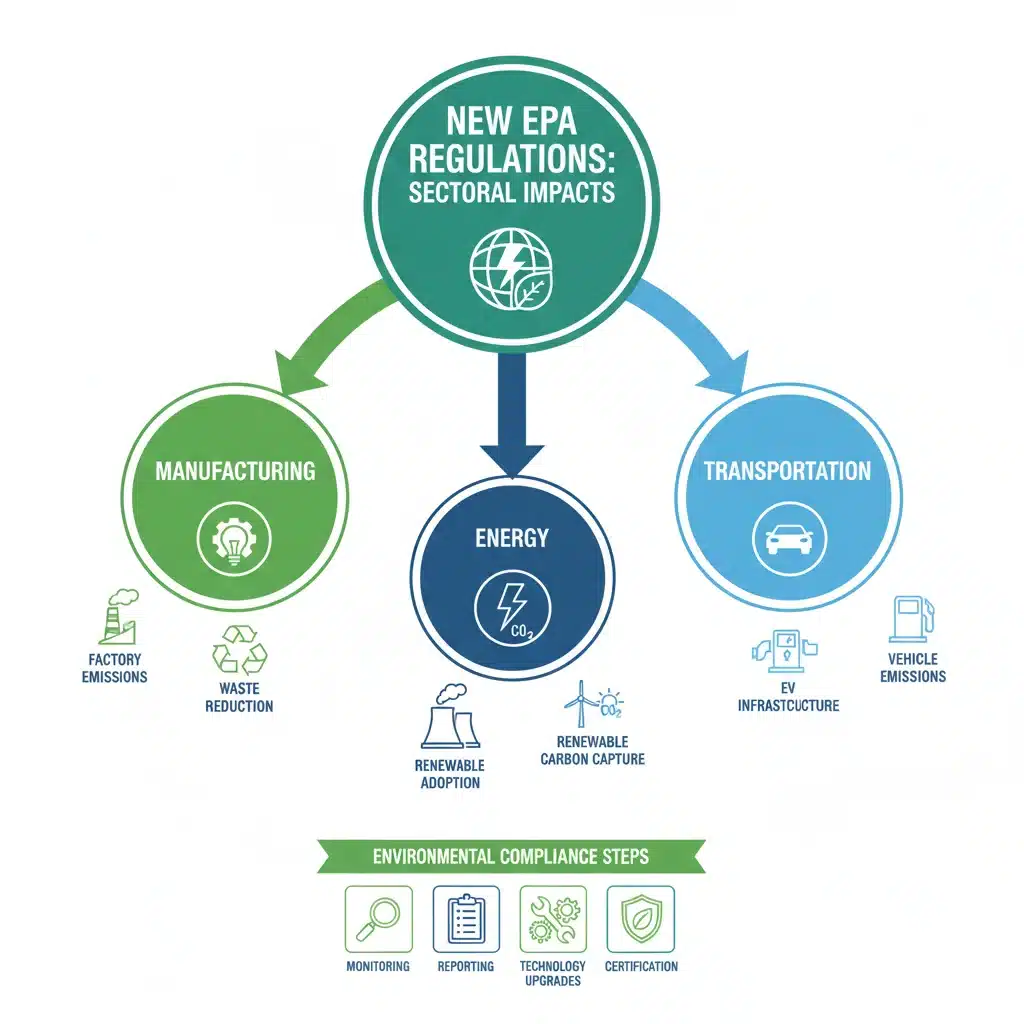
Sector-Specific Considerations for EPA Directives 2026
While the EPA Directives 2026 will have broad implications, certain sectors will experience more direct and profound impacts:
Manufacturing
Manufacturers can expect increased scrutiny on emissions, waste generation, and chemical usage. The directives may drive further adoption of cleaner production technologies, circular economy principles for materials, and enhanced supply chain transparency regarding environmental impacts.
Energy Sector
The energy sector, particularly fossil fuel industries, will likely face more stringent GHG emission limits and potentially new reporting requirements related to methane leaks and carbon capture technologies. Renewable energy providers, conversely, may see increased incentives and market opportunities.
Transportation and Logistics
New standards for vehicle emissions, fuel efficiency, and logistics optimization to reduce carbon footprints are anticipated. This could accelerate the transition to electric vehicles (EVs) and alternative fuels for commercial fleets.
Agriculture
Agricultural operations might face updated regulations concerning water runoff, pesticide use, and nutrient management to protect water quality and biodiversity. Sustainable farming practices and precision agriculture technologies could see increased adoption.
Real Estate and Construction
The construction industry may encounter new requirements for sustainable building materials, waste reduction on job sites, and energy efficiency standards for new developments. Green building certifications could become even more critical.
Leveraging the EPA Directives 2026 for Sustainable Growth
Beyond mere compliance, the EPA Directives 2026 present a unique opportunity for businesses to embed sustainability deeply into their core strategy. Companies that view these regulations not as burdens but as catalysts for innovation can achieve significant long-term benefits:
Innovation and Product Development
The demand for environmentally friendly products and services is growing. Companies that innovate to meet stricter environmental standards can develop new market-leading offerings, from eco-friendly packaging to low-carbon technologies. The EPA Directives 2026 can spur R&D into sustainable alternatives.
Investor Relations and Access to Capital
ESG (Environmental, Social, and Governance) investing is on the rise. Companies with strong environmental performance and robust compliance records are more attractive to investors seeking sustainable and responsible investments. Adhering to the EPA Directives 2026 can improve access to capital and lower borrowing costs.
Talent Attraction and Retention
Employees, particularly younger generations, are increasingly seeking to work for companies that align with their values, including environmental responsibility. A strong commitment to sustainability, demonstrated through compliance with directives like the EPA Directives 2026, can significantly enhance a company’s ability to attract and retain top talent.
Resilience and Business Continuity
By reducing environmental impacts, businesses also enhance their resilience to climate-related risks, resource scarcity, and future regulatory changes. A proactive stance on the EPA Directives 2026 contributes to a more robust and adaptable business model.

Conclusion: Navigating the Future of Environmental Compliance
The forthcoming EPA Directives 2026 will undoubtedly mark a pivotal moment for U.S. businesses. While the specifics are still being finalized, the overarching trend points towards increased environmental accountability and a greater emphasis on sustainable practices. For businesses, this is not a time for complacency but for strategic foresight and proactive engagement.
By staying informed, conducting thorough assessments, developing comprehensive compliance plans, and investing wisely in sustainable technologies, businesses can not only meet the requirements of the EPA Directives 2026 but also unlock new avenues for growth, efficiency, and market leadership. The journey towards a more sustainable future is a collective one, and U.S. businesses have a critical role to play in shaping it. Embrace these changes as an opportunity to innovate, thrive, and contribute positively to both the economy and the planet.