Early College Programs 2026: Earn Up to 30 Credits Before High School Graduation
Anúncios
Early College Programs in 2026: How U.S. High Schoolers Can Earn Up to 30 College Credits Before Graduation
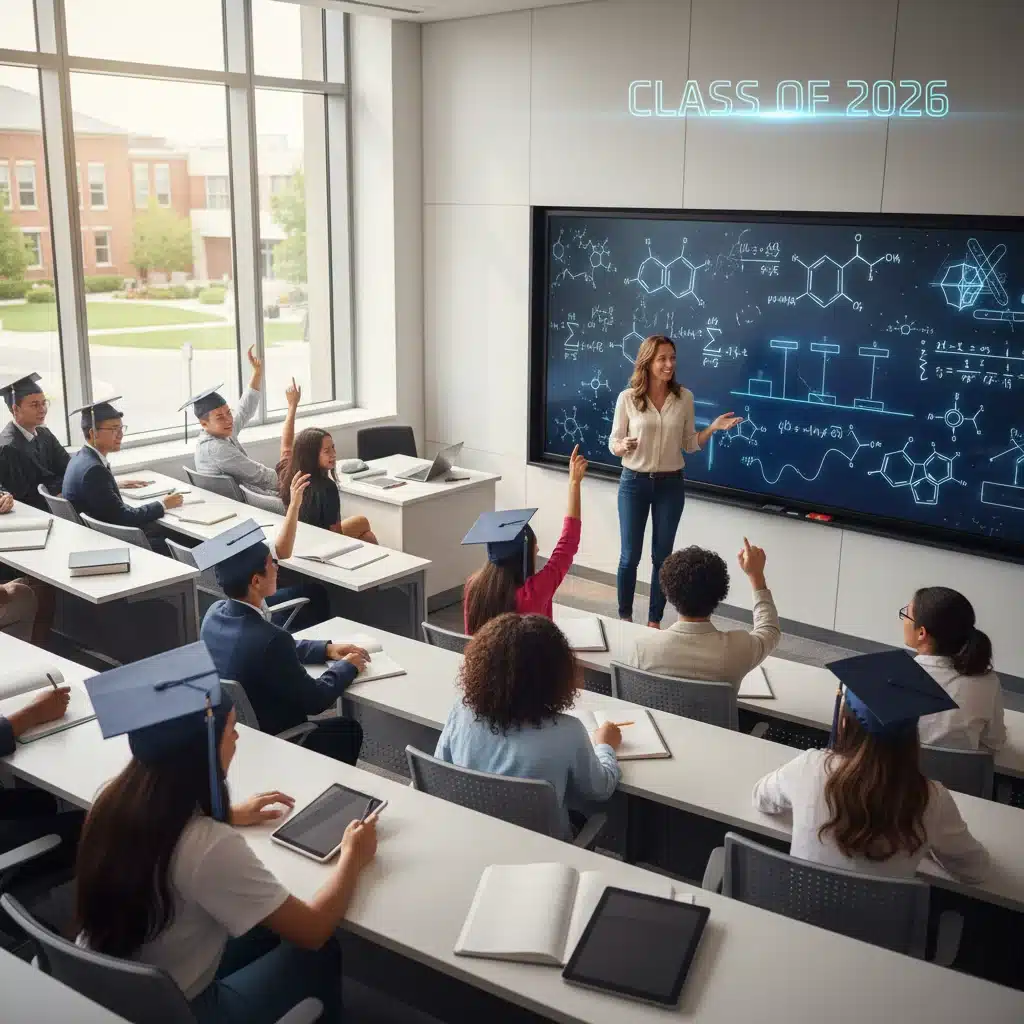
The educational landscape is constantly evolving, and for ambitious high school students across the United States, the opportunity to get a significant head start on their higher education has never been more accessible. As we look towards 2026, early college programs are becoming increasingly prevalent, offering a strategic pathway for U.S. high schoolers to accumulate a substantial number of college credits—potentially up to 30 or even more—before they even don their high school graduation caps. This revolutionary approach to education is reshaping how students transition from secondary to post-secondary learning, providing myriad benefits from financial savings to accelerated degree completion.
Anúncios
In this comprehensive guide, we will delve into the world of early college programs, exploring what they entail, the various models available, the significant advantages they offer, and how students and families can effectively navigate these opportunities in 2026 and beyond. Whether you’re a student eager to challenge yourself, a parent looking for cost-effective educational solutions, or an educator seeking to understand emerging trends, this article will provide invaluable insights into maximizing the potential of early college initiatives.
What Exactly Are Early College Programs?
At its core, an early college program allows high school students to take college-level courses and earn college credit while still enrolled in high school. These programs are designed to provide a rigorous academic experience that mirrors the demands of higher education, often with the support structures necessary for younger students. The goal is to bridge the gap between high school and college, making the transition smoother, more affordable, and academically enriching. While the concept isn’t entirely new, its expansion and formalization are making it a cornerstone of modern educational strategy, especially as we approach 2026.
Anúncios
The beauty of early college programs lies in their diversity and flexibility. They are not a one-size-fits-all solution but rather a spectrum of opportunities tailored to different student needs and institutional capabilities. This adaptability is key to their growing popularity and effectiveness in preparing students for future academic success. Understanding the nuances of each type is crucial for making an informed decision about which program best suits an individual student’s aspirations.
The Different Facets of Early College Programs in 2026
The landscape of early college programs is rich and varied, offering several distinct models. Each model has its own structure, benefits, and challenges, making it important for students and families to understand the distinctions. Here are the most common types you’ll encounter:
1. Dual Enrollment Programs
Dual enrollment is perhaps the most widely recognized form of early college programs. It allows high school students to enroll in college courses and simultaneously earn both high school and college credit. These courses can be taught on a college campus, at the high school by a qualified instructor, or online. The credits earned are typically transferable to many colleges and universities, offering a direct path to reducing future college workloads and costs.
In 2026, dual enrollment programs are expected to continue their upward trend, with more high schools partnering with local community colleges and four-year institutions. This expansion means greater access for students in diverse geographic and socioeconomic settings. The curriculum often covers a wide range of subjects, from foundational English and Math to specialized sciences and humanities, allowing students to explore potential majors early on.
2. Early College High Schools (ECHSs)
Early College High Schools are a more intensive and integrated model. These are distinct high schools (or smaller schools within larger high schools) specifically designed to allow students to earn an associate degree or up to two years of college credit (typically 60 credits) concurrently with their high school diploma. Students in ECHSs are often immersed in a college-going culture from day one, taking a blend of high school and college courses, often on a college campus or in a dedicated facility.
The ECHS model is particularly powerful for students who might be first-generation college-goers or from underserved communities, as they often provide significant academic and social support. By 2026, ECHSs are anticipated to solidify their role as a transformative option, especially in urban and rural areas where access to higher education might otherwise be limited. The structured environment and comprehensive support make these early college programs incredibly effective.
3. Concurrent Enrollment Programs
Similar to dual enrollment, concurrent enrollment typically involves college courses taught on the high school campus by high school teachers who are also credentialed as college instructors. The key difference often lies in the administrative and financial arrangements. In some concurrent enrollment models, the college provides the curriculum and oversight, ensuring the rigor and transferability of credits. This model makes college-level coursework highly accessible, as students don’t need to leave their high school campus.
The convenience and familiarity of concurrent enrollment make it an attractive option for many schools and students. It minimizes logistical challenges and allows students to remain within their established high school environment while still benefiting from advanced academic opportunities. This form of early college programs is particularly strong in states where teacher credentialing for college instruction is well-established.
4. Middle College High Schools
Middle College High Schools are often located on community college campuses and cater to students who may be at risk of not completing high school in traditional settings. These programs offer a smaller, more supportive learning environment, integrating high school curriculum with college courses. The goal is to provide a fresh start, foster academic success, and help students gain college credits while earning their diploma.
While sometimes serving a different demographic than other early college programs, Middle College High Schools are equally vital in preparing students for college and career readiness. They embody the principle that all students, regardless of their past academic struggles, deserve access to opportunities that can accelerate their educational journey.
Why Consider Early College Programs? The Benefits in 2026
The advantages of participating in early college programs are numerous and far-reaching, impacting students, families, and even the broader educational system. As we look to 2026, these benefits are becoming even more pronounced and critical for student success.
1. Significant Cost Savings on College Tuition
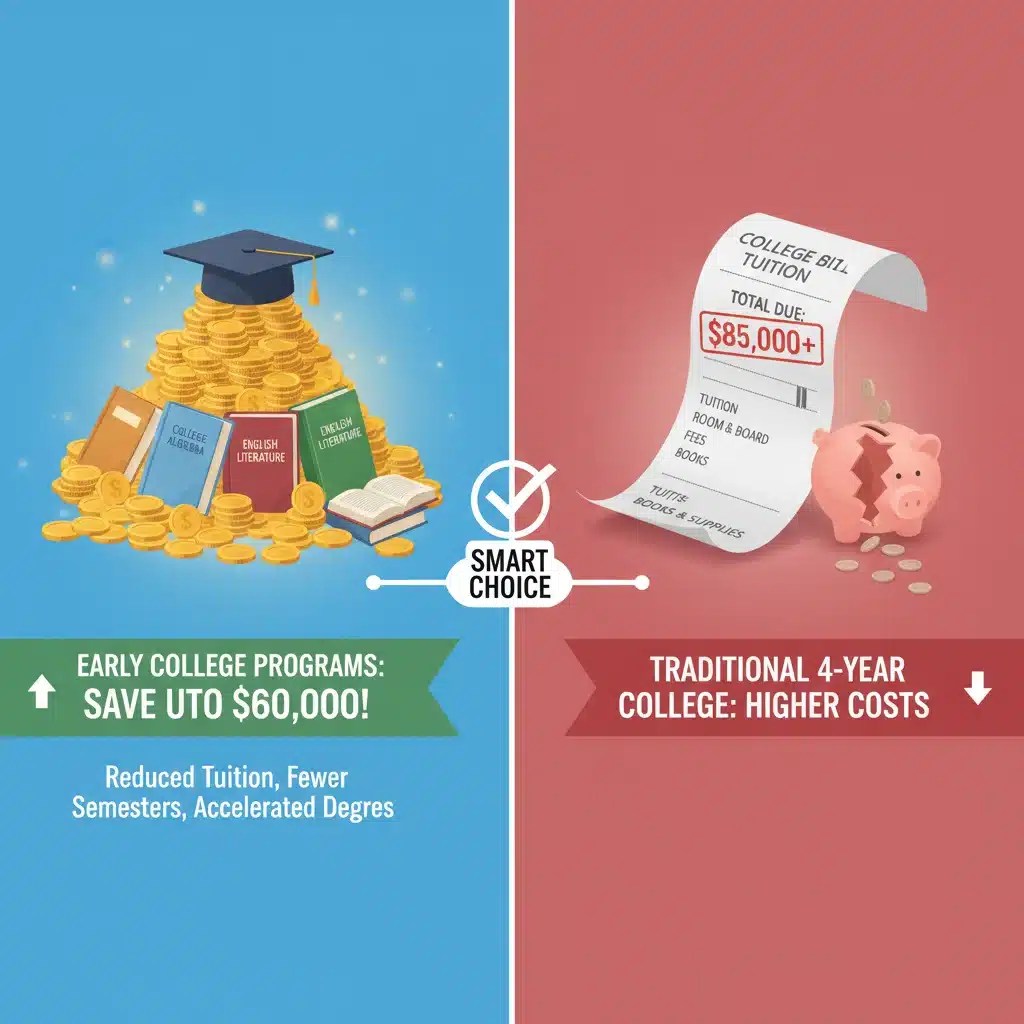
One of the most compelling reasons to pursue early college programs is the substantial financial savings. College tuition continues to rise, making higher education a significant investment for many families. By earning up to 30 college credits (or more) while in high school, students effectively complete a full year of college tuition-free or at a significantly reduced cost. Many dual enrollment and early college high school programs cover the cost of tuition, fees, and even textbooks, providing an invaluable head start without the financial burden.
Consider the average cost of a single college credit, and multiply that by 30. The savings can easily amount to tens of thousands of dollars, making a profound difference in a family’s financial planning for higher education. This financial advantage is a primary driver behind the increasing interest in early college programs.
2. Accelerated Degree Completion
Earning college credits early means students can potentially graduate from college sooner. A student who enters a four-year university with 30 credits effectively starts as a sophomore. This can translate into graduating in three years instead of four, or having more flexibility to pursue a double major, a minor, or study abroad experiences without extending their time in college. This acceleration not only saves money but also allows students to enter the workforce or pursue graduate studies earlier.
3. Smoother Transition to College Life
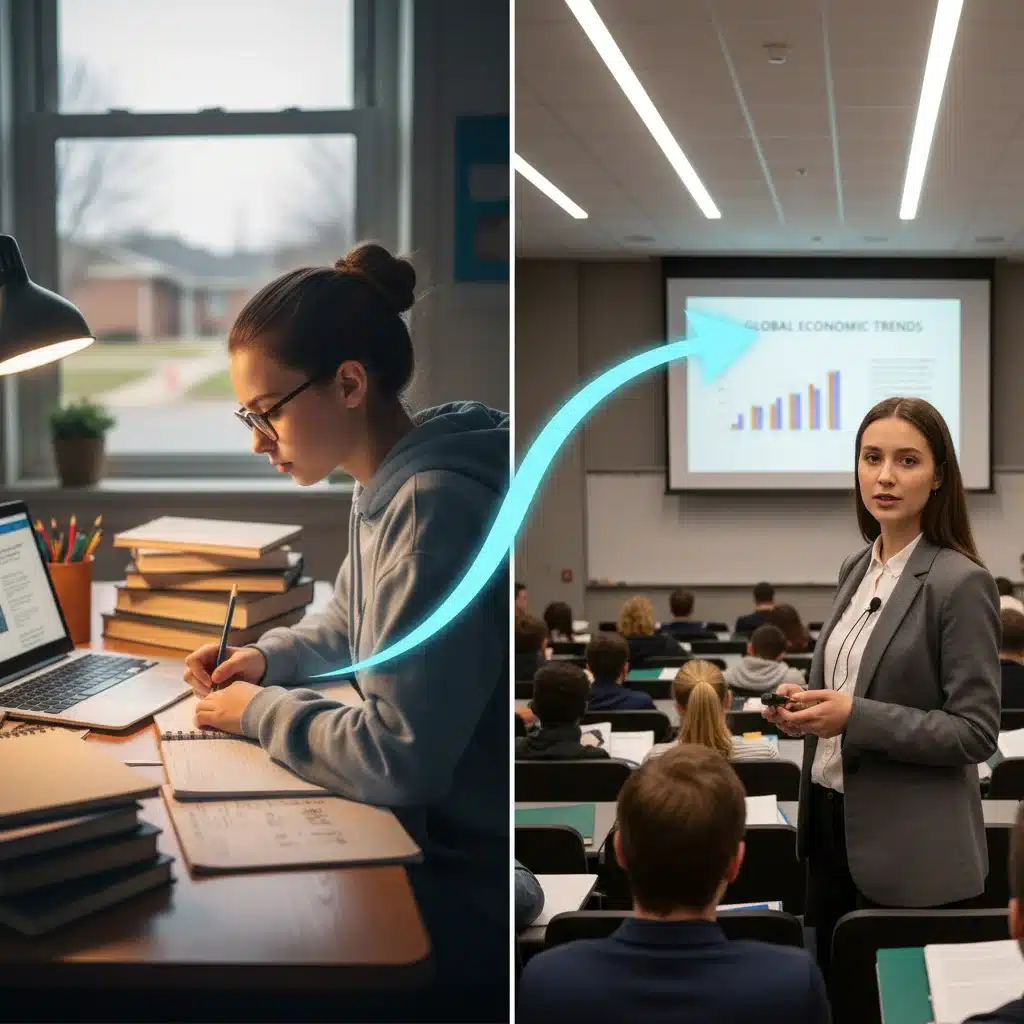
The transition from high school to college can be daunting. Early college programs provide students with a taste of college-level academics, expectations, and the overall environment while still having the support network of their high school. This exposure helps students develop crucial study habits, time management skills, and self-advocacy, making their eventual full-time college enrollment much smoother. They become familiar with college syllabi, lecture formats, and the independent learning required at the university level.
Students who participate in these programs often report feeling more confident and prepared for the rigor of college. They’ve already navigated college registration, interacted with college professors, and managed college coursework, removing much of the anxiety associated with the first year of university.
4. Academic Challenge and Exploration
For high-achieving students who find high school coursework less challenging, early college programs offer an opportunity for advanced academic rigor. These programs allow students to delve deeper into subjects they are passionate about or explore new academic fields that might not be available in their high school curriculum. This intellectual stimulation can be incredibly motivating and help students solidify their academic interests and potential career paths.
It’s also an excellent way for students to test out a major or field of study without the full commitment and cost of a university course. For example, a student interested in engineering can take an introductory calculus or physics course at a college level, gaining real insight into the demands of the discipline.
5. Enhanced College Admissions Profile
Colleges and universities often view applicants who have successfully completed early college programs favorably. It demonstrates initiative, academic preparedness, and the ability to handle rigorous coursework. It signals to admissions committees that a student is ready for the challenges of higher education and is proactive in their academic journey. This can be a significant differentiator in a competitive admissions landscape, especially for highly selective institutions.
Navigating Early College Programs in 2026: A Guide for Students and Parents
Successfully engaging with early college programs requires careful planning and research. Here’s a step-by-step guide for high schoolers and their families:
1. Research Available Programs Early
Start your research as early as middle school or freshman year of high school. Look into local community colleges, state universities, and specific Early College High Schools in your area. Your high school’s guidance counselor is an invaluable resource for identifying existing partnerships and program options. Websites of local colleges and school districts are also excellent places to find information on early college programs.
2. Understand Eligibility Requirements
Each program will have specific eligibility criteria, which often include GPA requirements, standardized test scores (PSAT, SAT, ACT), and sometimes placement exams in subjects like math and English. Ensure you meet these prerequisites or understand what steps you need to take to qualify. Some programs prioritize students who show academic promise but may need additional support, so don’t assume a perfect GPA is always necessary.
3. Consider Your Academic Readiness and Maturity
While the benefits are significant, college-level work demands a higher degree of independence, time management, and critical thinking than typical high school classes. Honestly assess your child’s (or your own) readiness for this challenge. Are they self-motivated? Can they manage a heavier workload? Are they comfortable seeking help when needed? These are crucial questions when considering early college programs.
4. Inquire About Credit Transferability
This is a critical step. Not all college credits are universally transferable. Before enrolling, confirm with the program coordinator and, ideally, with colleges you are considering attending later, whether the credits earned will transfer. Ask specific questions: Are they general education credits? Do they count towards a specific major? What is the minimum grade required for transfer? This due diligence ensures your efforts in early college programs are truly beneficial.
5. Understand the Financial Implications
While many early college programs are free or low-cost, confirm all associated fees. Are textbooks included? Are there transportation costs if classes are on a college campus? Being fully aware of the financial commitment, or lack thereof, helps in planning and budgeting.
6. Plan Your Course Load Wisely
Work with your high school counselor and, if possible, a college advisor to plan a course schedule that balances high school graduation requirements with your college credit goals. Avoid overcommitting, as burning out early can negate the benefits. A strategic approach to course selection is vital for success in early college programs.
7. Leverage Support Systems
Many early college programs offer robust support systems, including academic advising, tutoring, and mentorship. Encourage students to utilize these resources. The transition to college-level work can be challenging, and having access to support can make all the difference in achieving academic success.
Challenges and Considerations for Early College Programs
While the benefits are clear, it’s also important to acknowledge potential challenges associated with early college programs:
1. Increased Academic Rigor and Workload
College courses are inherently more demanding than most high school classes. Students must be prepared for more reading, independent study, and complex assignments. A lack of readiness can lead to frustration and lower grades, which might impact future college admissions or GPA.
2. Potential for Social Isolation
Students in early college programs, especially those taking classes primarily on a college campus, might miss out on some traditional high school social experiences, such as extracurricular activities, sports, or school dances. Balancing college coursework with high school life requires careful planning to maintain a well-rounded experience.
3. Transferability Issues (as mentioned)
Despite best intentions, credit transfer is not always seamless. Policies vary widely among institutions, and a credit that transfers to one university might not transfer to another. Thorough research and direct communication with prospective colleges are essential to mitigate this risk.
4. Maturity and Developmental Readiness
While academically ready, some younger students may not be emotionally or socially mature enough for the college environment. The independence and less structured nature of college can be overwhelming for some. Parents and students should consider this aspect carefully.
The Future of Early College Programs Beyond 2026
Looking beyond 2026, early college programs are poised to become an even more integral part of the U.S. education system. The push for greater educational equity, affordability, and efficiency will likely drive further expansion and innovation in these programs. We can anticipate:
- Increased Specialization: More programs may emerge that focus on specific career pathways or academic disciplines, allowing students to gain highly relevant credits.
- Enhanced Online Offerings: The proliferation of high-quality online learning will continue to make early college programs more accessible to students in remote areas or those with scheduling conflicts.
- Stronger State and Federal Support: As the benefits become more widely recognized, there may be increased funding and policy support at state and federal levels to expand access and ensure program quality.
- Broader Partnerships: Expect to see more diverse partnerships between K-12 districts, community colleges, four-year universities, and even industry to create comprehensive pathways for students.
Conclusion: A Strategic Leap into Higher Education
For U.S. high schoolers in 2026 and beyond, early college programs represent a powerful and strategic opportunity to accelerate their academic journey, save money, and gain invaluable experience. By understanding the different types of programs, their profound benefits, and the necessary steps to navigate them, students can position themselves for unparalleled success in higher education and beyond.
Whether it’s through dual enrollment, an Early College High School, or concurrent enrollment, the chance to earn up to 30 college credits before high school graduation is a game-changer. It’s an investment in a student’s future that pays dividends in terms of academic preparedness, financial savings, and a smoother, more confident transition into the world of higher learning. Embrace the possibilities that early college programs offer, and unlock a brighter educational future.