Building a print-on-demand brand from scratch: a step-by-step guide
Anúncios
Building a print-on-demand brand from scratch involves selecting the right products, setting up an effective online store, and implementing targeted marketing strategies to engage your audience and drive sales.
Building a print-on-demand brand from scratch can seem daunting, but it offers immense possibilities for creativity and entrepreneurship. Have you ever thought about turning your ideas into products without holding inventory? Let’s dive in!
Anúncios
Understanding print-on-demand business models
Understanding print-on-demand business models is vital for anyone looking to start their own brand. These models allow entrepreneurs to sell custom products without worrying about inventory. The flexibility is one of the main reasons many people are attracted to this business.
There are several key types of print-on-demand models you should know about. Each has its own benefits and considerations. Let’s explore these options to help you decide which might be the best fit for your business.
Anúncios
1. Custom Products
In the custom products model, you create unique designs and have them printed on various items. This could be apparel, home goods, or even accessories. You set the price based on your designs and the printing costs, which allows for a good profit margin.
- 🎨 You maintain full control over the designs
- 🧠 It requires creativity and marketing skills
- ⚡ You can quickly test new ideas with minimal risk
2. White Labeling
With white labeling, you buy products from manufacturers that are generic, and then you add your branding. This allows you to sell items that look like they are your own brand without creating them from scratch. This can be a great way to enter the market quickly.
-
🚀 It’s faster to launch your brand.
-
🎨 Less design effort is required.
-
📣 You can focus on brand marketing and customer service.
In contrast to the previous models, the third option involves working with a marketplace. Platforms like Etsy and Amazon allow you to list your designs, reaching a larger audience without significant upfront costs. Understanding the pros and cons of each approach can help you develop a successful strategy.
The choice of business model affects your entire operation. Think about your target audience and the types of products they might demand. Researching market trends is crucial. As preferences change, being adaptable is key to success in the print-on-demand industry.
When starting your own print-on-demand business, pay close attention to your unique selling proposition (USP). Your USP is what makes you stand out in a crowded market. Consider integrating sustainable practices or offering niche products tailored to specific interests and hobbies.
Choosing the right products and designs

Choosing the right products and designs is crucial for your print-on-demand brand. The products you select influence customer interest and satisfaction. You want to ensure that your offerings resonate with your target audience.
One way to begin is by researching trends in your niche. This helps you understand what potential customers are looking for. Follow popular influencers on social media channels or check out major retail sites to see what is currently in demand.
Factors to Consider
Several factors can guide your decisions when choosing products and designs:
- Target Audience: Know who you want to sell to. Their age, interests, and preferences will guide your choices.
- Quality: Choose products that are durable and well-made. Quality can significantly affect customer satisfaction and repeat purchases.
- Unique Designs: Originality can set you apart from competitors. Invest in unique artwork that reflects current trends and personal creativity.
Additionally, think about the logistics of your products. Will they be easy to ship? Are there any seasonality factors you should consider? Planning ahead will save you time and money.
You should also evaluate different materials. For instance, if you’re selling clothing, think about which fabrics are breathable, soft, and comfortable. This choice can make a difference in customers’ buying decisions.
It’s beneficial to create a balance between trending items and timeless products. Trendy items may attract initial sales, while timeless designs ensure steady interest over time. Understanding this balance helps in building a sustainable business.
Finally, gather feedback on your product ideas. Running surveys or focus groups can provide you with valuable insights. Engaging with your audience helps refine your offerings to better meet their desires.
Setting up your online store effectively
Setting up your online store effectively is important for your print-on-demand brand. A well-structured store ensures a smooth shopping experience. This can lead to higher sales and satisfied customers.
First, choose an e-commerce platform that meets your needs. Popular options include Shopify, WooCommerce, and Etsy. Each platform has its features, so consider what works best for your business goals.
Designing Your Store
The design of your online store plays a key role in attracting customers. A user-friendly layout helps visitors navigate easily. Use high-quality images of your products to showcase their details.
- Mobile-Friendly: Ensure your store is optimized for mobile devices. Many customers shop from their phones.
- Clear Navigation: Organize your products into categories. This makes it easier for shoppers to find what they want.
- Branding: Use consistent colors, fonts, and logos to create a recognizable brand image.
Next, integrate payment gateways. This allows customers to pay easily and securely. Options like PayPal, Stripe, and credit card processors are essential. Make sure to choose ones that are trusted and reliable.
Another important aspect is setting your shipping options. Decide if you will offer free shipping, flat rates, or variable rates based on location. Free shipping often attracts more customers, but ensure it fits within your budget.
Finally, consider including terms and conditions and a return policy. Transparency builds trust with your audience. Clear policies help manage customer expectations and reduce potential disputes.
With all these elements in place, promote your store. Utilize social media and email marketing to reach your audience. Consistent marketing efforts will drive traffic to your store over time.
Marketing strategies for your print-on-demand brand
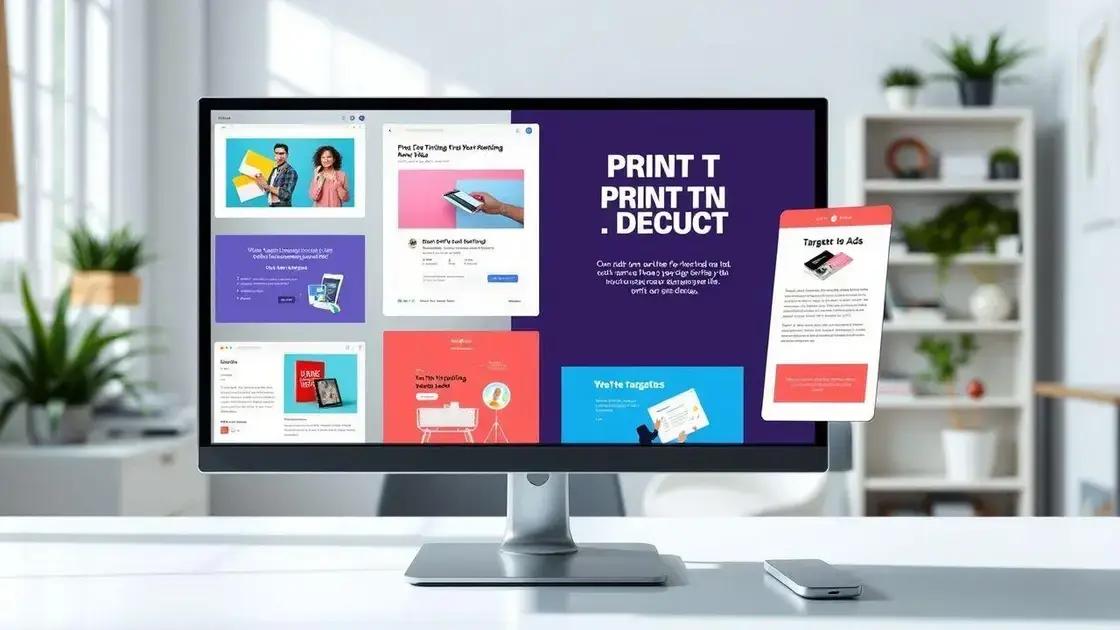
Marketing strategies for your print-on-demand brand are essential to reach your target audience. With the right approach, you can boost visibility and drive sales. It’s crucial to know which marketing methods work best for your type of products.
One effective strategy is to leverage social media platforms. Social media allows you to connect directly with potential customers. Use platforms like Instagram and Pinterest to showcase your designs. High-quality images and engaging posts can attract attention.
Engaging Content Creation
Creating engaging content can build strong relationships with your audience. Consider sharing behind-the-scenes footage, design processes, or customer testimonials. This kind of content helps humanize your brand and fosters loyalty.
- Influencer Collaborations: Partner with influencers in your niche. Their endorsements can introduce your brand to a wider audience.
- Contests and Giveaways: Run contests or giveaways to generate excitement. Encourage participants to share your products for more exposure.
- Customer-generated Content: Encourage customers to post photos of their purchased products and tag your brand. This can serve as valuable social proof.
In addition to social media, email marketing can be a powerful tool. Building an email list is crucial. Send regular newsletters to keep customers updated about new products, sales, and promotions. Provide exclusive discounts to subscribers to encourage sign-ups.
Search engine optimization (SEO) also plays an important role in reaching new customers. Optimize your website content with relevant keywords. High-quality blog posts can drive organic traffic to your store. Consider writing articles that showcase your products or offer tips related to your niche.
Lastly, paid advertising can be beneficial for getting quick visibility. Platforms like Facebook and Google Ads allow targeted advertising. You can reach specific demographics that fit your customer profile. Investing in well-designed ads can lead to higher conversion rates.
In conclusion, building a successful print-on-demand brand requires careful planning and execution. Start by understanding your business model and selecting the right products. Next, set up an effective online store that reflects your brand identity. Utilize smart marketing strategies to reach your audience and engage with them. By focusing on these key areas, you can create a thriving business that stands out in the competitive market.
FAQ – Frequently Asked Questions about Building a Print-on-Demand Brand
What is print-on-demand?
Print-on-demand is a business model that allows you to sell custom products without holding inventory. Items are printed only when ordered.
How do I choose the right products for my brand?
Research current trends and understand your target audience’s preferences. Select products that align with their interests.
What platforms are best for setting up my online store?
Popular platforms include Shopify, WooCommerce, and Etsy. Choose one that fits your needs and offers user-friendly features.
How can I effectively market my print-on-demand brand?
Utilize social media, email marketing, and influencer collaborations to reach your audience and drive engagement.