2026 Social Security COLA: What US Retirees Need to Know

Anúncios
For millions of Americans, Social Security benefits represent a cornerstone of their retirement income. These benefits are not static; they are periodically adjusted to help retirees keep pace with the rising cost of living. This crucial adjustment is known as the Cost-of-Living Adjustment, or COLA. As we look ahead to 2026, understanding the potential 2026 Social Security COLA and its implications is paramount for current and future retirees. This comprehensive guide will delve into everything U.S. retirees need to know about the upcoming COLA, from its calculation methods to its projected impact on their financial well-being.
Anúncios
Understanding the Basics of Social Security COLA
The Social Security Cost-of-Living Adjustment (COLA) is a vital mechanism designed to protect the purchasing power of Social Security and Supplemental Security Income (SSI) benefits from the effects of inflation. Without COLA, the fixed income of retirees would gradually erode as the cost of goods and services increases over time. This adjustment ensures that the financial security provided by Social Security remains relevant and effective for beneficiaries.
The Genesis of COLA: Why it Exists
Before 1975, Social Security benefit increases required an act of Congress. This process was often slow and politically charged, leading to delays in adjustments that left beneficiaries vulnerable to inflation. Recognizing this inefficiency and the need for a more automatic system, Congress enacted legislation in 1972 to provide for automatic annual COLAs, effective from 1975. This change institutionalized the protection of beneficiaries’ purchasing power, making it a regular and predictable feature of the Social Security program.
Anúncios
How COLA is Calculated: The CPI-W Index
The calculation of the Social Security COLA is tied directly to inflation, specifically measured by the Consumer Price Index for Urban Wage Earners and Clerical Workers (CPI-W). The CPI-W is a broad measure of the average change over time in the prices paid by urban wage earners and clerical workers for a market basket of consumer goods and services. This market basket includes everything from food and housing to transportation and medical care.
Here’s a simplified breakdown of the COLA calculation process:
- Reference Period: The Social Security Administration (SSA) compares the average CPI-W for the third quarter (July, August, September) of the current year with the average CPI-W for the third quarter of the most recent year in which a COLA was enacted.
- Percentage Increase: The percentage increase in the CPI-W between these two periods determines the COLA. For example, if the CPI-W for Q3 of 2025 is 3% higher than the CPI-W for Q3 of 2024 (assuming 2024 was the last COLA year), then the 2026 Social Security COLA would be 3%.
- No Decrease: A crucial aspect of COLA is that Social Security benefits can never decrease due to a COLA. If the CPI-W shows no increase or even a decrease, there will be no COLA for that year, but benefits will remain at their current level.
It’s important to note that while the CPI-W is used, many argue that it doesn’t accurately reflect the spending patterns and healthcare costs faced by seniors. Calls for using a different index, such as the Consumer Price Index for the Elderly (CPI-E), have been made, but as of now, the CPI-W remains the official metric.
Factors Influencing the 2026 Social Security COLA
Predicting the exact 2026 Social Security COLA is challenging because it depends entirely on future inflation data, which is inherently uncertain. However, we can identify several key factors that will play a significant role in shaping this adjustment.
Inflationary Pressures
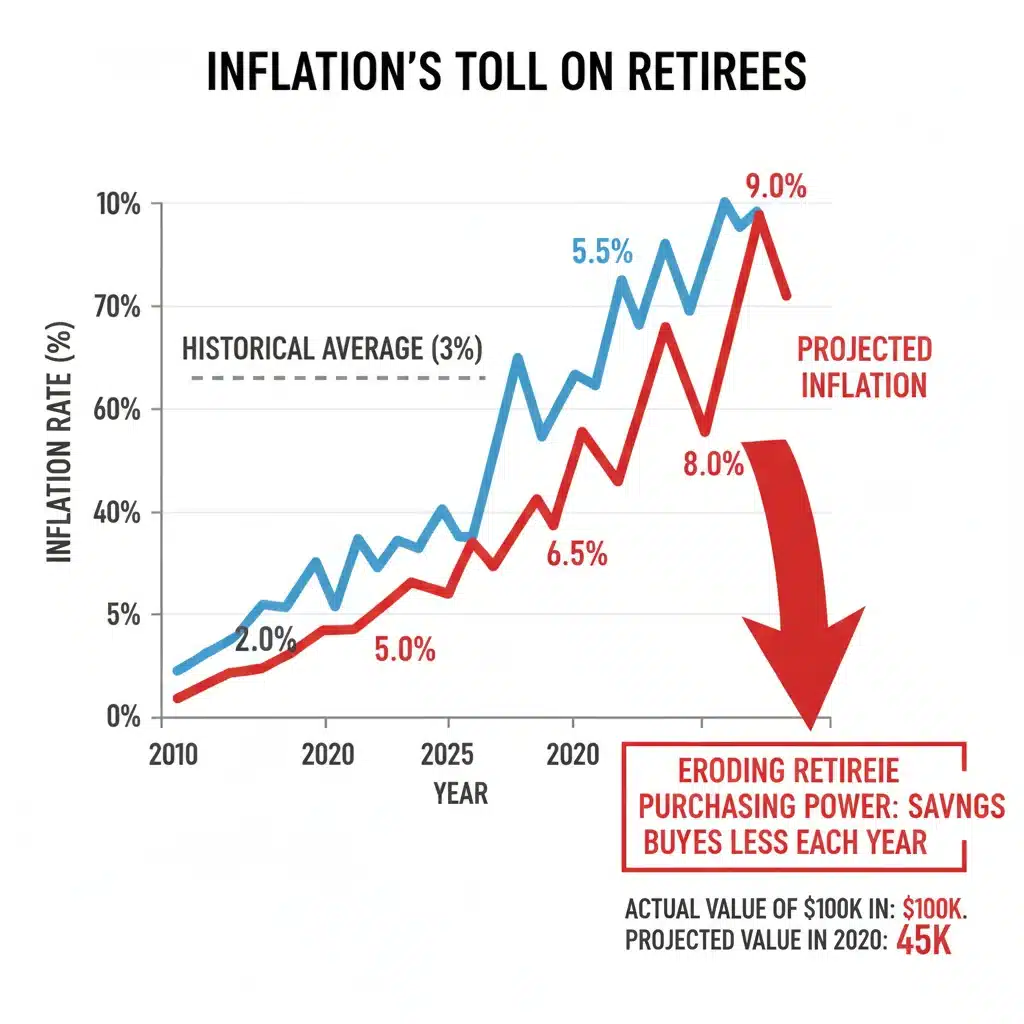
The most direct influence on COLA is the overall inflation rate. Economic conditions, global events, supply chain disruptions, energy prices, and geopolitical tensions all contribute to inflationary pressures. If inflation remains high or increases in 2025, it is likely to translate into a larger COLA for 2026. Conversely, a moderation or decrease in inflation would result in a smaller or even zero COLA.
Recent years have seen fluctuating inflation, with significant spikes followed by periods of moderation. Economists constantly monitor various indicators to forecast future inflation, but these forecasts are subject to change. Key areas to watch include:
- Energy Costs: Fluctuations in oil and gas prices have a ripple effect across the economy, impacting transportation and manufacturing costs, which then filter down to consumer prices.
- Food Prices: Global food supply chains, weather patterns, and agricultural policies can significantly influence the cost of groceries, a major expenditure for most households.
- Housing Costs: Rent and homeownership costs, while not directly measured by CPI-W in the same way as other goods, still contribute to the overall economic environment and indirectly affect other prices.
- Supply Chain Dynamics: Ongoing global supply chain issues can lead to shortages and higher prices for various goods.
Economic Growth and Wage Increases
While COLA is directly tied to inflation, broader economic conditions, including economic growth and wage increases, can indirectly influence it. A strong economy with robust wage growth can sometimes lead to increased consumer demand, which can push prices higher. Conversely, an economic slowdown might temper inflationary pressures.
Monetary Policy and Interest Rates
Central banks, like the U.S. Federal Reserve, use monetary policy tools, primarily interest rates, to manage inflation. Higher interest rates are typically used to cool down an overheating economy and bring inflation under control. The Fed’s actions in 2025 will undoubtedly have a significant bearing on the inflation outlook for 2026 and, by extension, the COLA. If the Fed’s policies successfully curb inflation, the 2026 Social Security COLA might be lower than if inflation remains elevated.
Projected 2026 Social Security COLA: Early Estimates and Expert Opinions
It’s crucial to understand that any projections for the 2026 Social Security COLA at this stage are merely educated guesses based on current economic trends and forecasts. The official COLA announcement typically occurs in October of the preceding year (i.e., October 2025 for the 2026 COLA), once the third-quarter CPI-W data becomes available.
Current Economic Landscape and Inflation Trends
As we approach 2026, economists and financial analysts will closely monitor various economic indicators. The trajectory of inflation in late 2024 and throughout 2025 will be the most critical factor. If inflation continues to moderate towards the Federal Reserve’s target of 2%, we could see a more modest COLA. However, if unforeseen events lead to a resurgence of inflationary pressures, the COLA could be higher.
Expert Predictions and Organizations to Watch
Several organizations and independent experts routinely publish COLA projections. These often include:
- The Committee for a Responsible Federal Budget (CRFB): Provides analysis on federal budget issues, including Social Security.
- The Senior Citizens League (TSCL): A non-partisan advocacy group that often releases early COLA predictions based on current inflation data. Their projections are widely followed by retirees.
- Independent Economists and Financial Institutions: Many banks and economic forecasting firms offer their outlooks on inflation and COLA.
These early projections are valuable for planning but should be treated as estimates. They help retirees understand the potential range of outcomes and adjust their financial strategies accordingly.
Historical COLA Data for Context
Looking at historical COLA figures can provide some context, though past performance is not indicative of future results:
- Recent High COLAs: In certain years, particularly following periods of high inflation, COLAs have been substantial, providing a significant boost to benefits.
- Low or Zero COLAs: During periods of very low inflation or deflation, COLAs have been minimal or non-existent, highlighting the direct link between inflation and the adjustment.
Understanding this history helps manage expectations for the 2026 Social Security COLA. A return to the high COLAs seen in some recent years would require a sustained period of elevated inflation in 2025.
Impact of the 2026 Social Security COLA on Retirees
The 2026 Social Security COLA, whatever its final percentage, will have a direct and tangible impact on the financial lives of millions of U.S. retirees.
Increased Monthly Benefits
The most immediate effect of a COLA is an increase in monthly Social Security benefit payments. For example, if the average monthly benefit is $1,800 and the COLA is 3%, beneficiaries would see their payments increase by $54, bringing their new monthly benefit to $1,854. While this might seem like a modest increase for some, it can be crucial for those whose Social Security benefits constitute a large portion of their income.
Maintaining Purchasing Power
The primary goal of COLA is to help maintain the purchasing power of benefits. If the COLA accurately reflects the actual increase in costs faced by seniors, then retirees should, in theory, be able to afford the same basket of goods and services as before the price increases. However, as mentioned, there’s ongoing debate about whether the CPI-W fully captures the specific inflation experienced by seniors, particularly regarding healthcare costs.
Potential Medicare Premium Increases
A significant consideration for retirees is the interaction between COLA and Medicare Part B premiums. Medicare Part B premiums are typically deducted directly from Social Security checks. In years with a COLA, these premiums can also increase. The ‘hold harmless’ provision usually prevents a retiree’s net Social Security benefit from decreasing due to a Part B premium increase, but it doesn’t always apply to everyone, especially those new to Medicare or with higher incomes.
It’s possible that a COLA for 2026 could be partially or fully offset by an increase in Medicare Part B premiums, especially if healthcare costs continue to rise. This is a critical factor for retirees to monitor as it directly impacts their net disposable income.
Taxation of Social Security Benefits
Another important aspect is the taxation of Social Security benefits. For some retirees, a COLA-driven increase in their benefits could push their total income above the thresholds where Social Security benefits become taxable. Currently, up to 50% or 85% of Social Security benefits can be subject to federal income tax, depending on a retiree’s ‘provisional income’ (which includes adjusted gross income, tax-exempt interest, and half of Social Security benefits).
Since the income thresholds for taxing Social Security benefits are not indexed for inflation, a COLA can inadvertently lead to a greater portion of benefits being taxed over time, a phenomenon sometimes referred to as ‘bracket creep.’ This means that while gross benefits increase, the net benefit might not increase as much, or in some cases, could even lead to a slight decrease in overall purchasing power if the tax burden significantly increases.
Financial Planning Strategies for Retirees in Light of COLA
Regardless of the size of the 2026 Social Security COLA, proactive financial planning is essential for retirees to ensure long-term financial security.
Budgeting and Expense Tracking
A fundamental step is to maintain a detailed budget and track expenses. This allows retirees to understand where their money is going and identify areas where they might be able to save. With potential increases in both benefits and costs, a clear picture of cash flow is invaluable.
Monitoring Inflation and Cost Trends
Stay informed about current and projected inflation rates. While the CPI-W is the official measure for COLA, understanding broader inflationary trends, especially in areas relevant to senior spending (like healthcare and housing), can help retirees anticipate potential cost increases and adjust their budgets accordingly.
Reviewing Income Sources
Social Security is often just one component of a retiree’s income. It’s crucial to periodically review all income sources, including pensions, withdrawals from retirement accounts (401(k)s, IRAs), and any part-time work income. Ensure that these sources are diversified and able to meet anticipated expenses.
Healthcare Cost Management
Healthcare costs are a significant concern for many seniors and often rise faster than general inflation. Retirees should:
- Compare Medicare Plans: Annually review Medicare Advantage and Prescription Drug Plans during the open enrollment period to ensure they have the most cost-effective coverage for their needs.
- Explore Supplemental Insurance: Consider Medigap policies to cover gaps in original Medicare, reducing out-of-pocket expenses.
- Plan for Long-Term Care: Understand the potential costs of long-term care and explore options like long-term care insurance or self-funding strategies.
Tax Planning
Given the potential for Social Security benefits to become taxable, especially with a COLA, tax planning is critical. Consult with a financial advisor to understand the tax implications of your total retirement income and explore strategies to minimize your tax burden. This might include Roth conversions, strategic withdrawal planning from different retirement accounts, or managing capital gains.
Considering Part-Time Work or ‘Bridge’ Income
For some retirees, especially those who find their Social Security COLA isn’t quite keeping pace with their personal cost of living, considering part-time work can be a viable option. This can provide supplemental income, keep them engaged, and potentially delay drawing down other retirement assets. However, it’s important to understand how earned income can affect Social Security benefits if you are under full retirement age.

The Broader Outlook for Social Security and Future COLAs
Beyond the immediate 2026 Social Security COLA, it’s important for retirees to consider the long-term solvency of the Social Security program and the future of COLAs.
Social Security’s Financial Health
The Social Security program faces long-term financial challenges, primarily due to demographic shifts (an aging population and lower birth rates) and increasing life expectancies. The Social Security Trustees’ annual report provides projections on the program’s solvency. While Social Security is not expected to run out of money entirely, there are projections that it may only be able to pay a reduced percentage of promised benefits in the future if no legislative changes are made.
These long-term challenges could potentially lead to discussions about reforms that might affect future COLAs, the benefit formula, or the retirement age. While these are complex political issues, staying informed about these discussions is prudent for long-term financial planning.
Potential Reforms and Their Impact
Various proposals for Social Security reform have been put forward over the years, including:
- Changing the COLA Formula: Shifting from CPI-W to CPI-E or another index.
- Increasing the Full Retirement Age: Gradually raising the age at which individuals can claim full Social Security benefits.
- Adjusting the Benefit Formula: Modifying how initial benefits are calculated.
- Increasing the Social Security Tax Cap: Applying Social Security taxes to a higher amount of earnings.
Any of these reforms, if enacted, could have a significant impact on future benefit levels and COLAs. While the 2026 Social Security COLA is determined by the current formula, it’s wise for retirees to be aware of the broader policy debates.
Conclusion: Navigating Your Retirement with the 2026 Social Security COLA
The 2026 Social Security COLA is more than just a number; it’s a critical adjustment that directly impacts the financial stability and quality of life for millions of U.S. retirees. While the exact percentage won’t be known until late 2025, understanding the factors that influence it, its calculation methods, and its potential effects are essential for proactive retirement planning.
By staying informed about economic trends, carefully budgeting, managing healthcare costs, and engaging in strategic tax planning, retirees can effectively navigate the financial landscape. Social Security, with its annual COLA, remains a cornerstone of retirement security. By integrating knowledge of the 2026 Social Security COLA into a broader financial strategy, retirees can work towards a more secure and comfortable future, ensuring their benefits continue to support their needs in an ever-changing economic environment.
Remember, financial planning is an ongoing process. Regularly review your situation, consult with financial professionals, and adapt your strategies as economic conditions and personal circumstances evolve. This proactive approach will empower you to make the most of your Social Security benefits and enjoy a fulfilling retirement.